
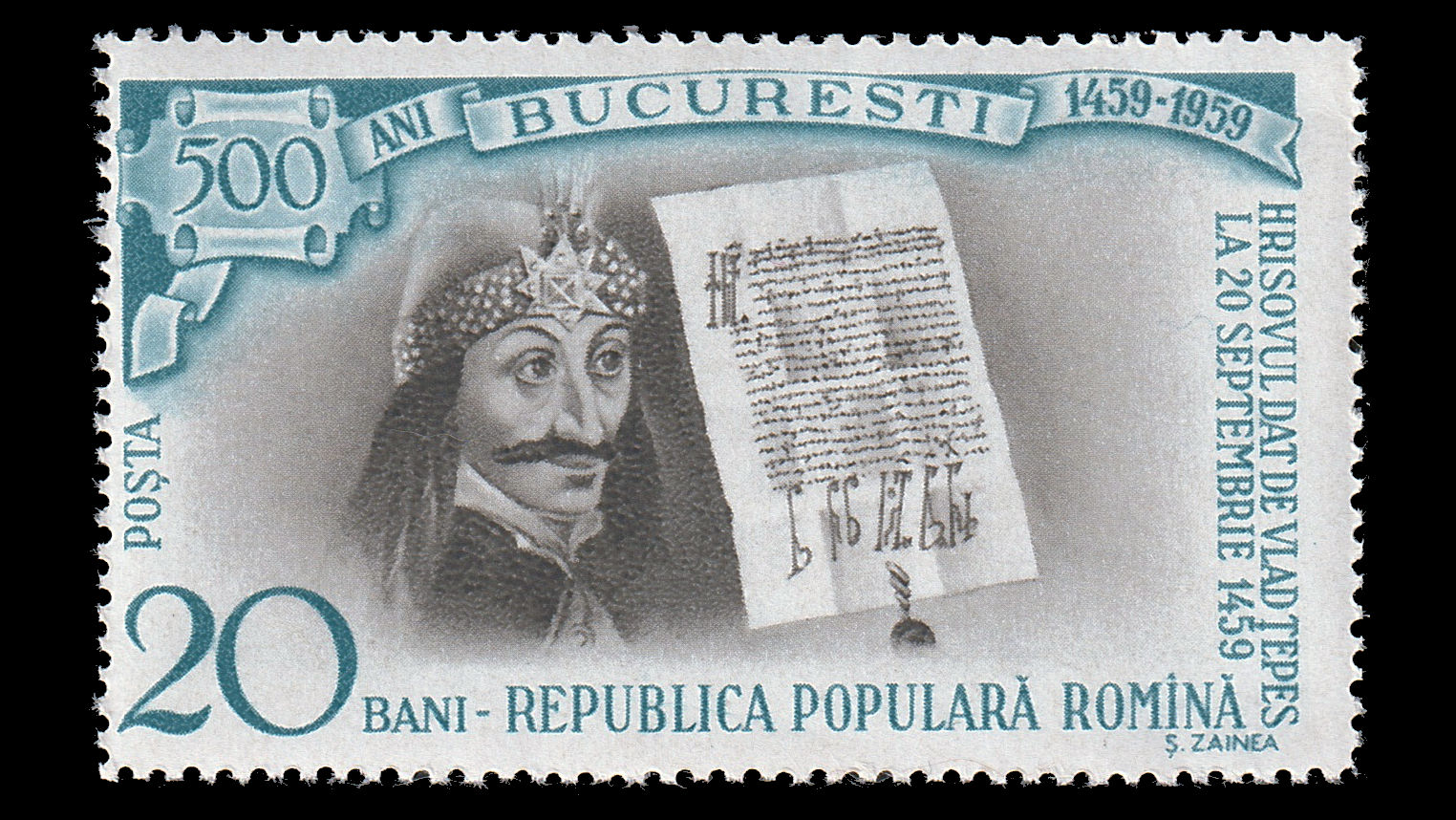
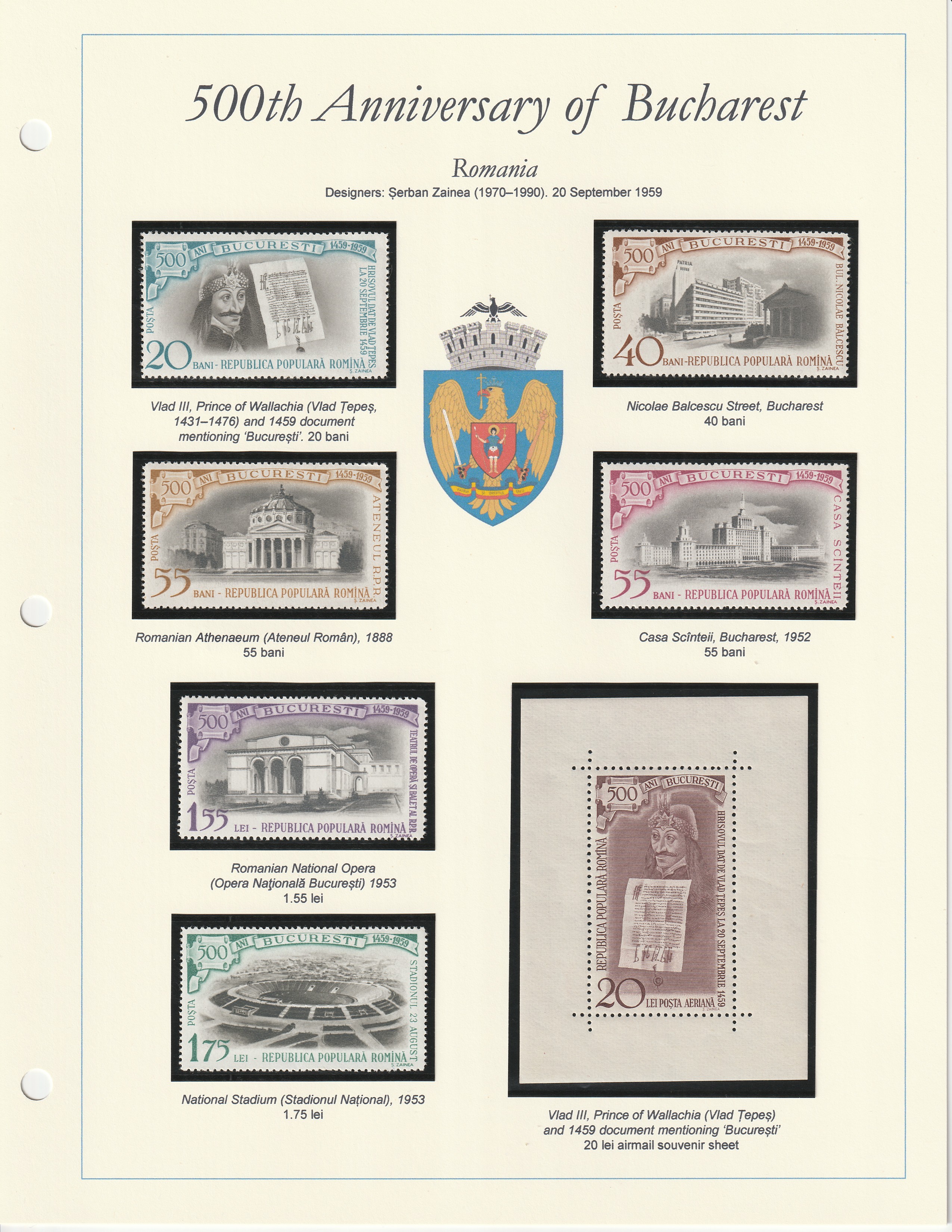
The first official mention of Bucharest dates back to 1459, in a document signed by Vlad III, Prince of Wallachia (Vlad Țepeș, or Vlad the Impaler), who later inspired the Dracula legend. Initially a military stronghold, it developed as a strategic settlement along trade routes and the Dâmbovița River.
During the 16th to 18th centuries, Bucharest served as the princely residence of Wallachia. Though often caught between the Ottoman Empire and European powers, the city grew in both population and cultural importance, despite frequent invasions, fires, and earthquakes.
In 1862, Bucharest became the capital of the newly united Romanian principalities. The city underwent significant modernization during this period, with French-inspired architecture, boulevards, and institutions earning it the nickname “Little Paris of the East.”
The 20th century brought both glory and hardship. Bucharest flourished in the interwar years, but World War II inflicted severe damage. Under communist rule, especially during Nicolae Ceaușescu’s regime, many historic areas were demolished to make way for massive concrete structures, including the colossal Palace of the Parliament.
Since the 1989 revolution, Bucharest has experienced rapid transformation, embracing democracy and a market economy. It is now a vibrant cultural, economic, and political hub, blending remnants of its storied past with modern aspirations.
 (opens in a new tab)
Romania