
The first transpacific airmail marked a major milestone in global aviation. Operated by Pan American Airways, the Martin M-130 flying boat China Clipper departed Alameda, California, on November 22, 1935, piloted by Captain Edwin C. “Ed” Musick (1894–1938) with a skilled crew of navigators and engineers, including navigator Fred Noonan (1893–1937), who two years later, would disappear with Amelia Earhart on their infamous attempt to cross the globe.
The route followed a chain of island bases constructed for long-range flying boats: Alameda, Honolulu, Midway Atoll, Wake Island, Guam, and finally Manila. Each hop stretched the limits of 1930s aviation, with the longest leg, Alameda to Honolulu, covering over 2,400 miles of open ocean. (China Clipper had planned to fly over the incomplete San Francisco–Oakland Bay Bridge shortly after taking off. However, the pilot realized he wouldn’t make it over the bridge and flew under instead, narrowly avoiding a crash.)
After approximately 59 hours and 48 minutes of flying time across six days and 8,000 miles, China Clipper landed in Manila on the afternoon of November 29, 1935, delivering the first official airmail from the United States to the Philippines, more than 110,000 pieces of mail in 58 mailbags. The mission showcased the capabilities of the M-130, a four-engine flying boat with a range of roughly 3,200 miles and advanced navigation systems for the era. This historic flight opened the first reliable commercial air link across the Pacific and established Pan Am as a global pioneer in long-distance air transport.
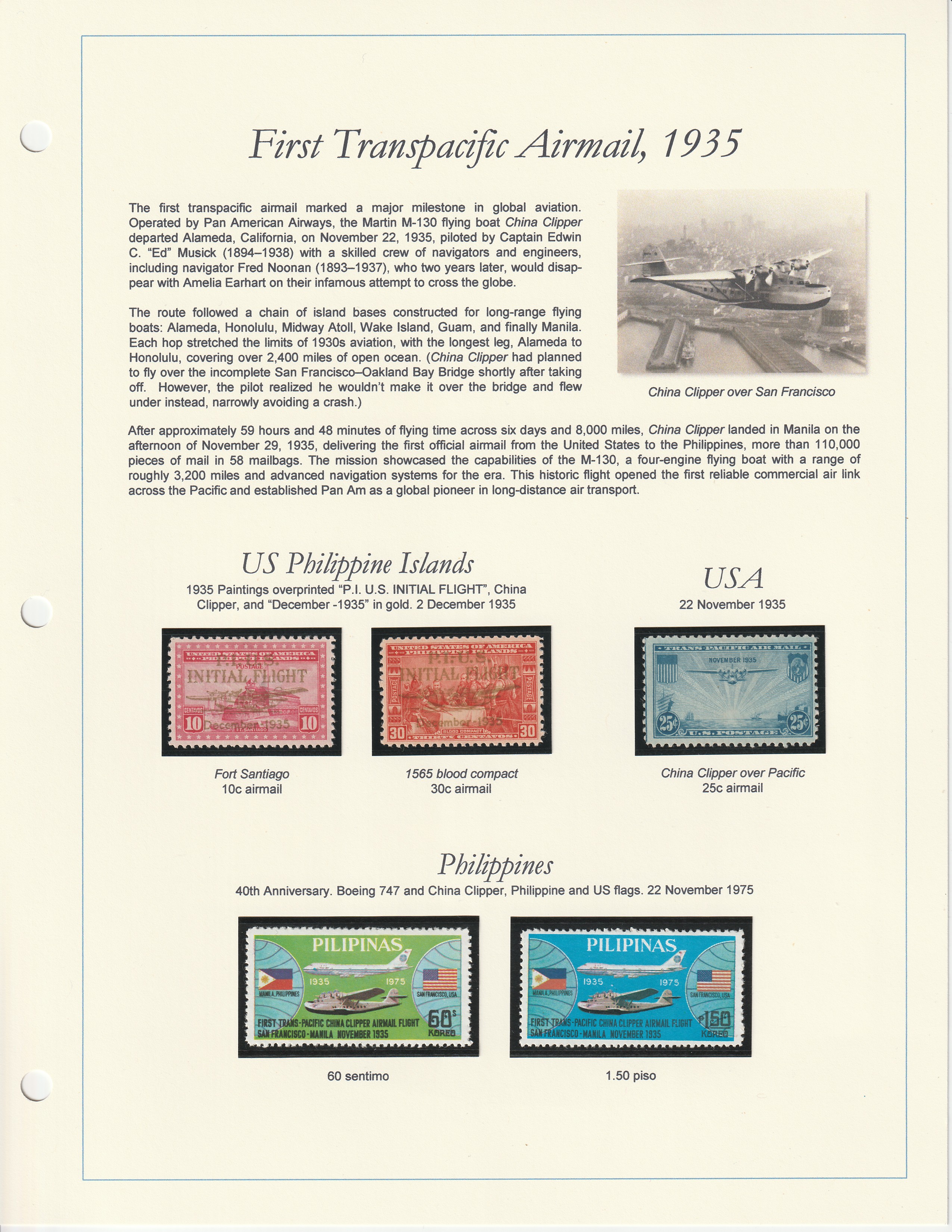
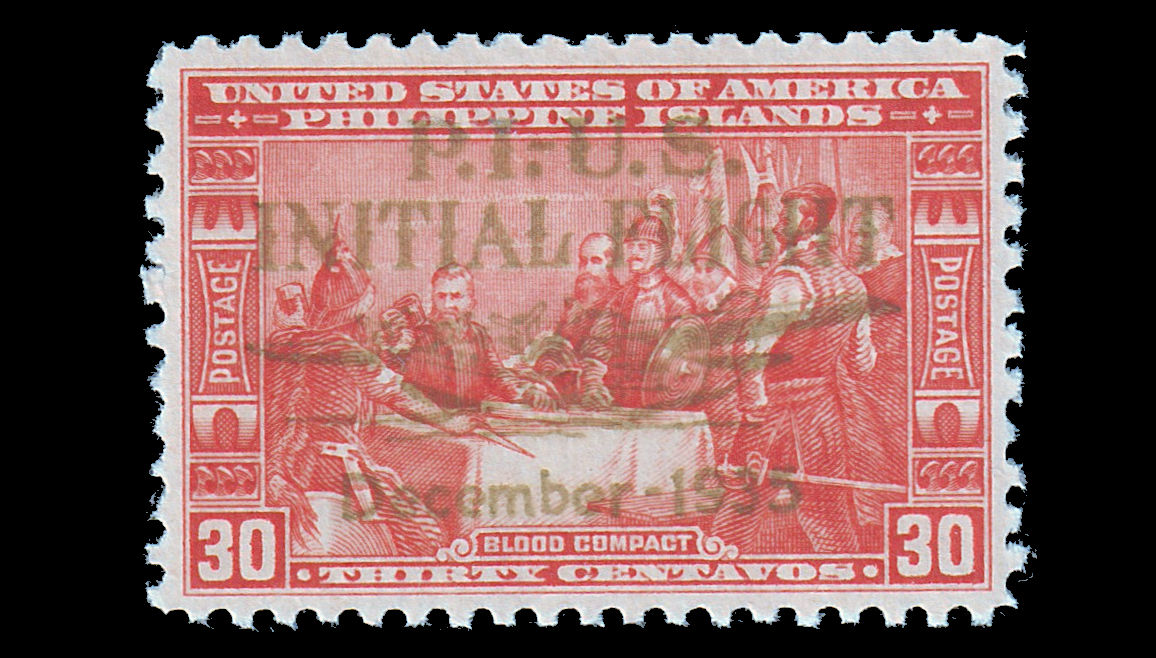
 (opens in a new tab)
Philippines


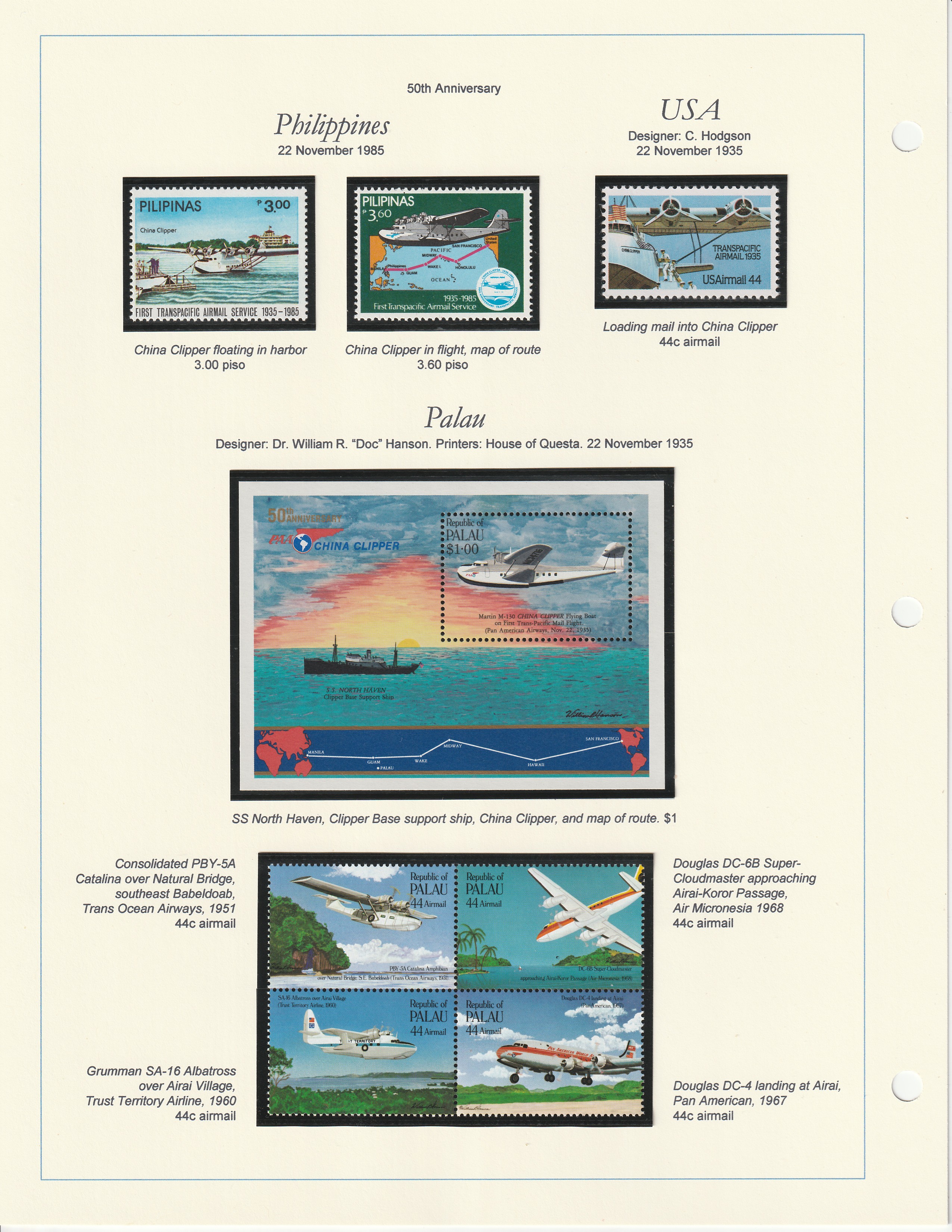
 (opens in a new tab)
Palau