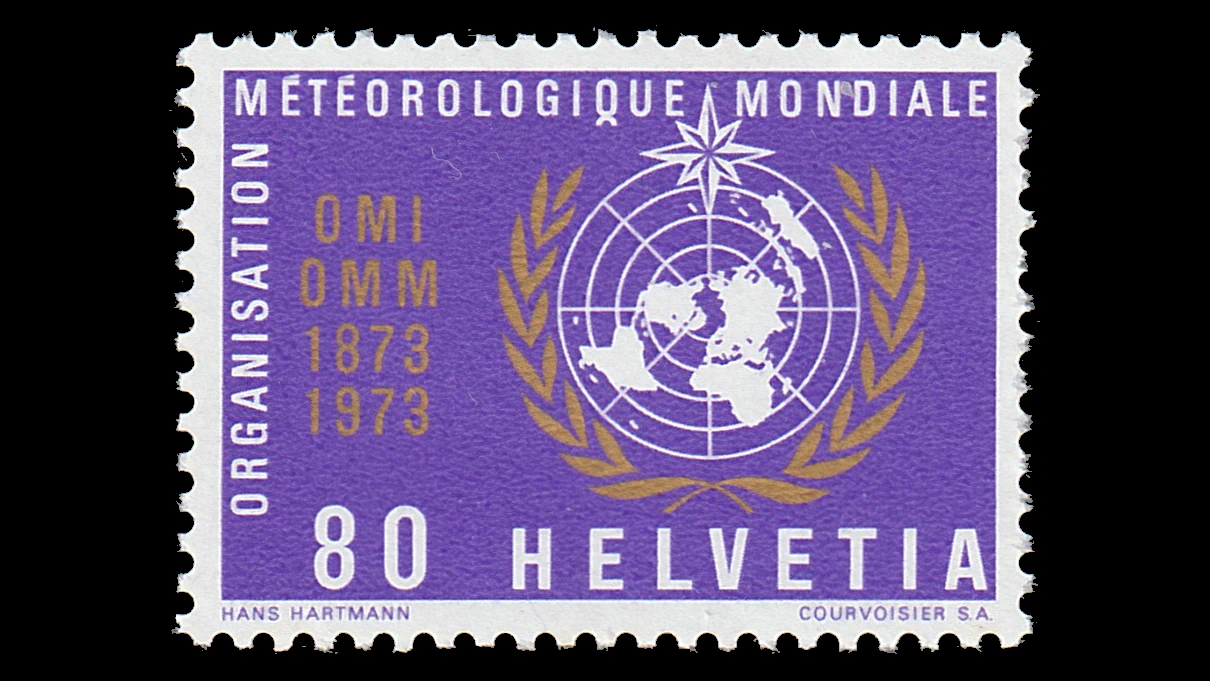
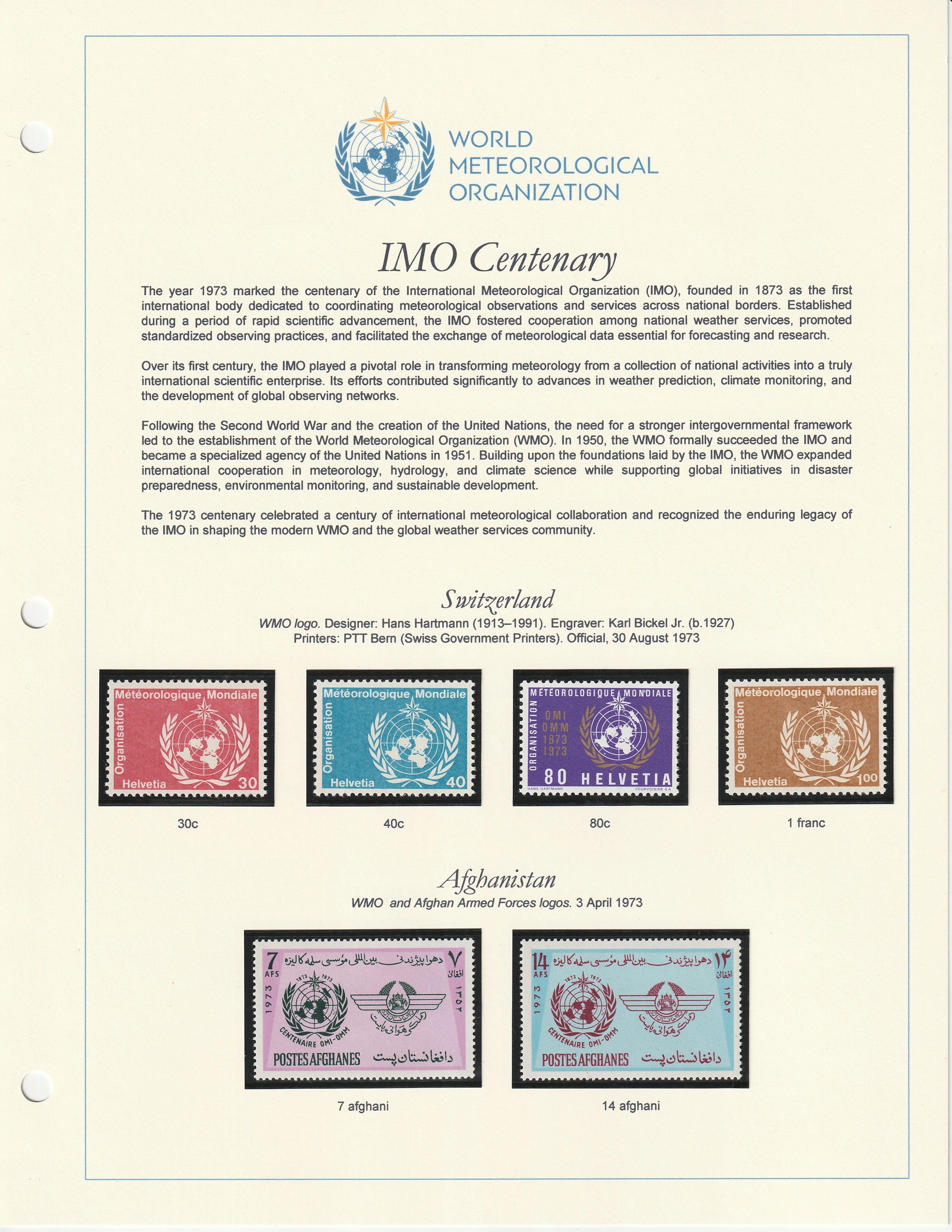
The year 1973 marked the centenary of the International Meteorological Organization (IMO), founded in 1873 as the first international body dedicated to coordinating meteorological observations and services across national borders. Established during a period of rapid scientific advancement, the IMO fostered cooperation among national weather services, promoted standardized observing practices, and facilitated the exchange of meteorological data essential for forecasting and research.
Over its first century, the IMO played a pivotal role in transforming meteorology from a collection of national activities into a truly international scientific enterprise. Its efforts contributed significantly to advances in weather prediction, climate monitoring, and the development of global observing networks.
Following the Second World War and the creation of the United Nations, the need for a stronger intergovernmental framework led to the establishment of the World Meteorological Organization (WMO). In 1950, the WMO formally succeeded the IMO and became a specialized agency of the United Nations in 1951. Building upon the foundations laid by the IMO, the WMO expanded international cooperation in meteorology, hydrology, and climate science while supporting global initiatives in disaster preparedness, environmental monitoring, and sustainable development.
The 1973 centenary celebrated a century of international meteorological collaboration and recognized the enduring legacy of the IMO in shaping the modern WMO and the global weather services community.
 (opens in a new tab)
Afghanistan
 (opens in a new tab)
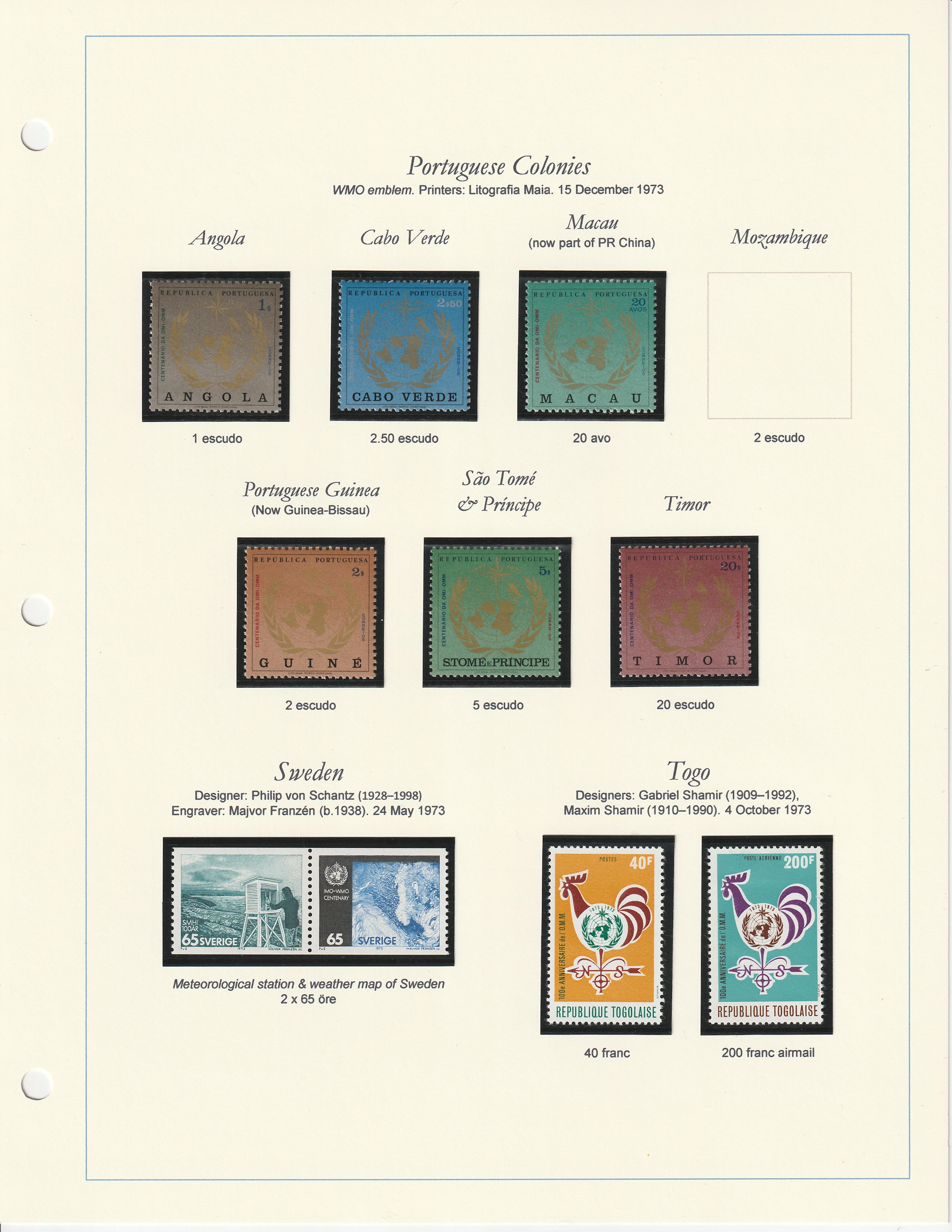
Angola
 (opens in a new tab)
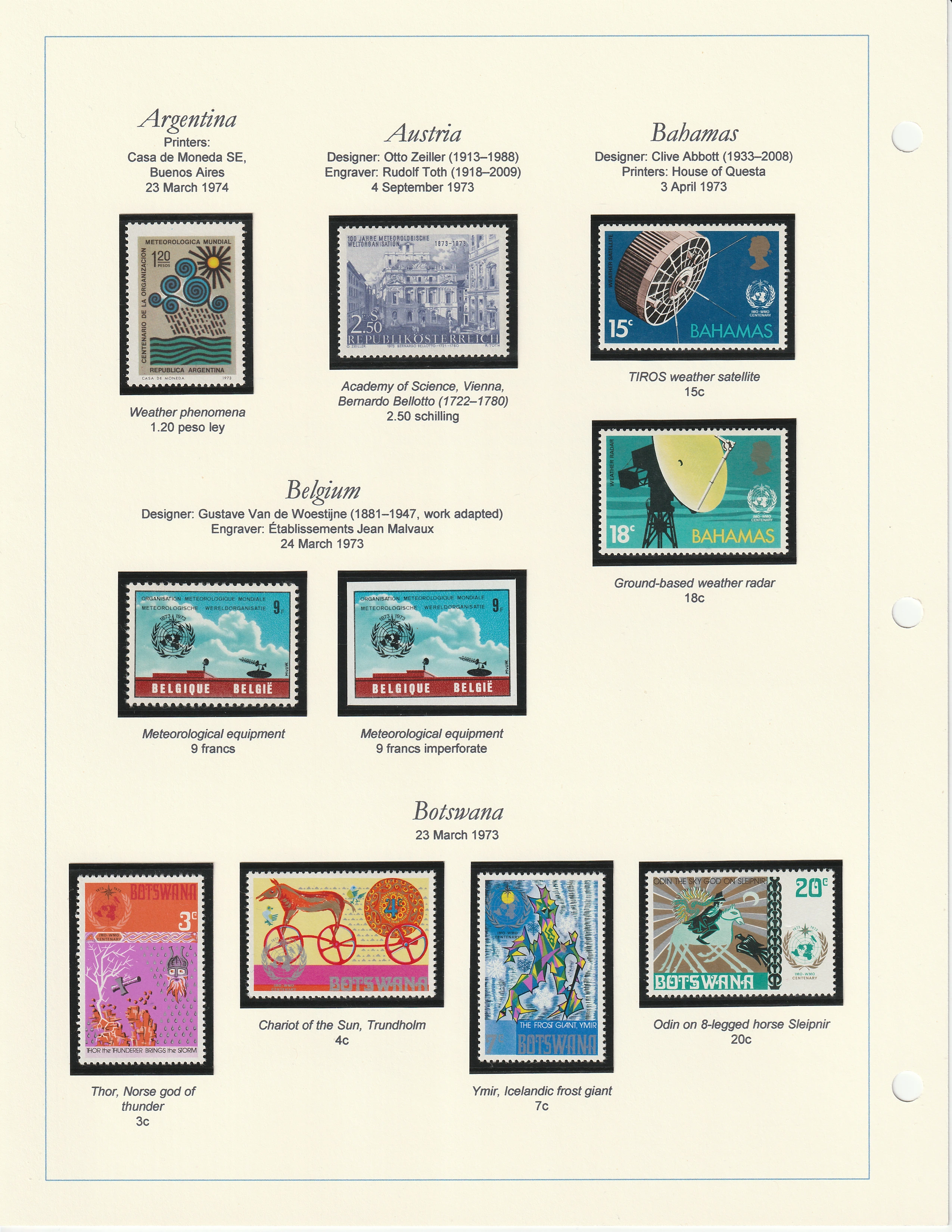
Argentina
 (opens in a new tab)
Austria
 (opens in a new tab)
Bahamas
 (opens in a new tab)
Belgium
 (opens in a new tab)
Botswana
(opens in a new tab)Cabo Verde
 (opens in a new tab)
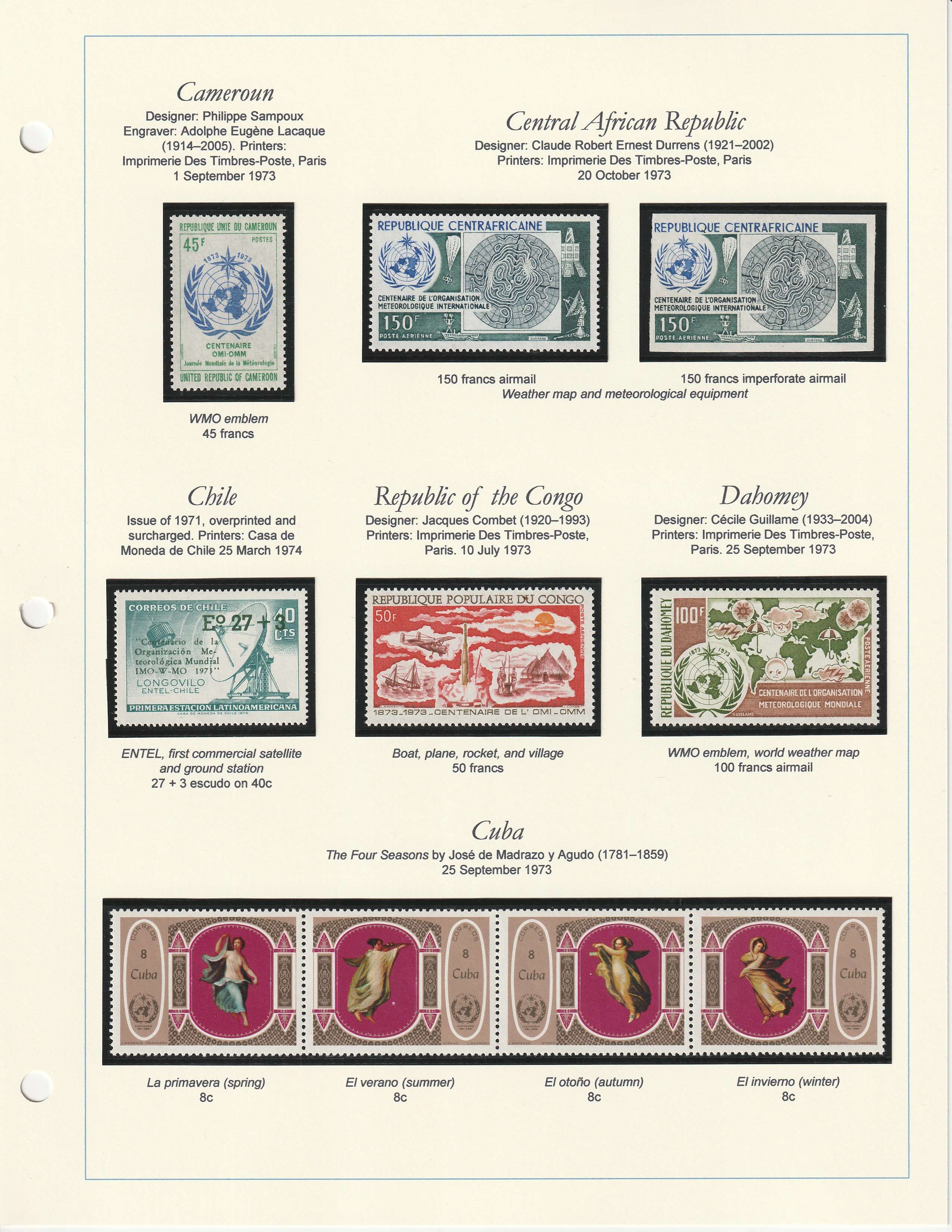
Cameroun
 (opens in a new tab)
Central African Republic
 (opens in a new tab)
Chile
 (opens in a new tab)
Republic of the Congo
 (opens in a new tab)
Dahomey > Benin
 (opens in a new tab)
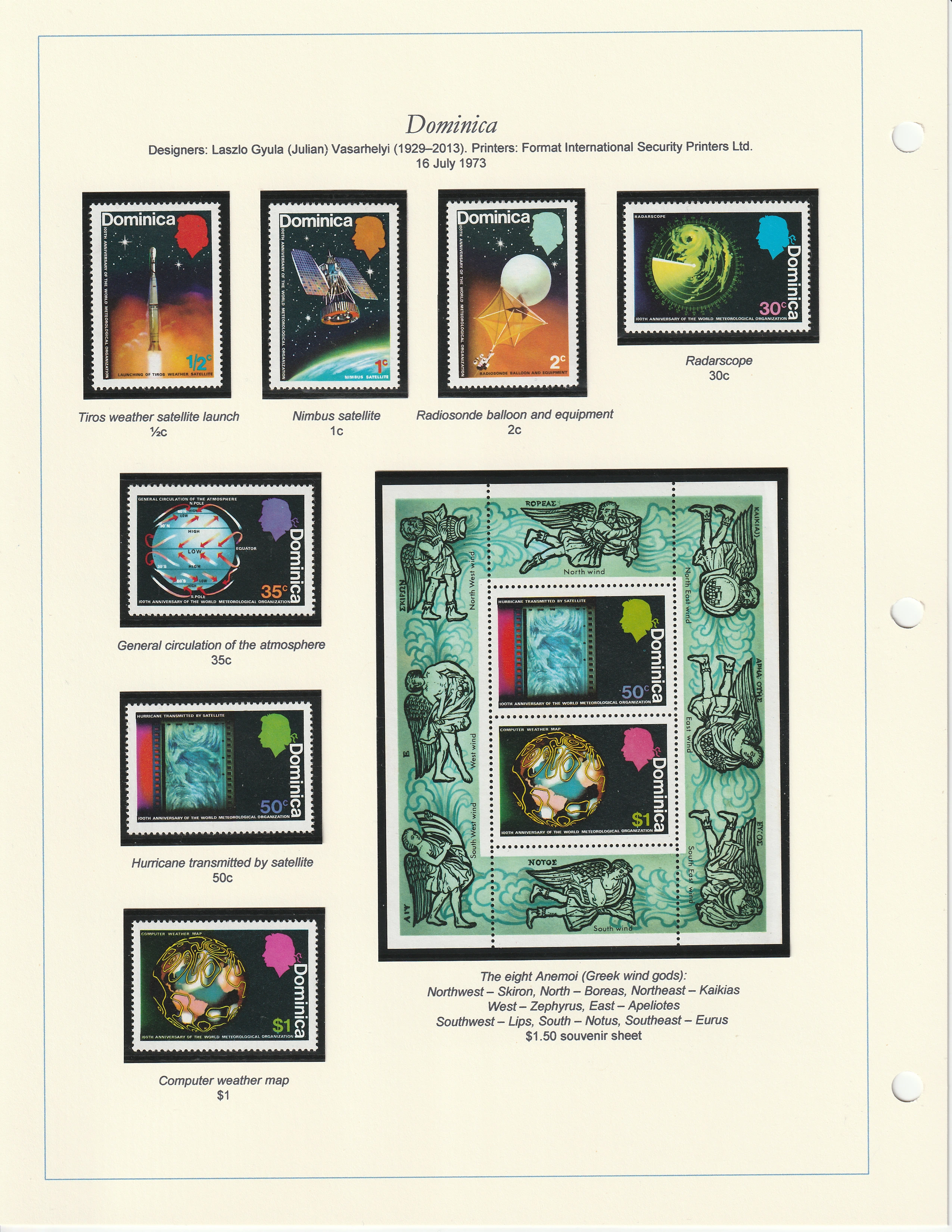
Dominica
 (opens in a new tab)
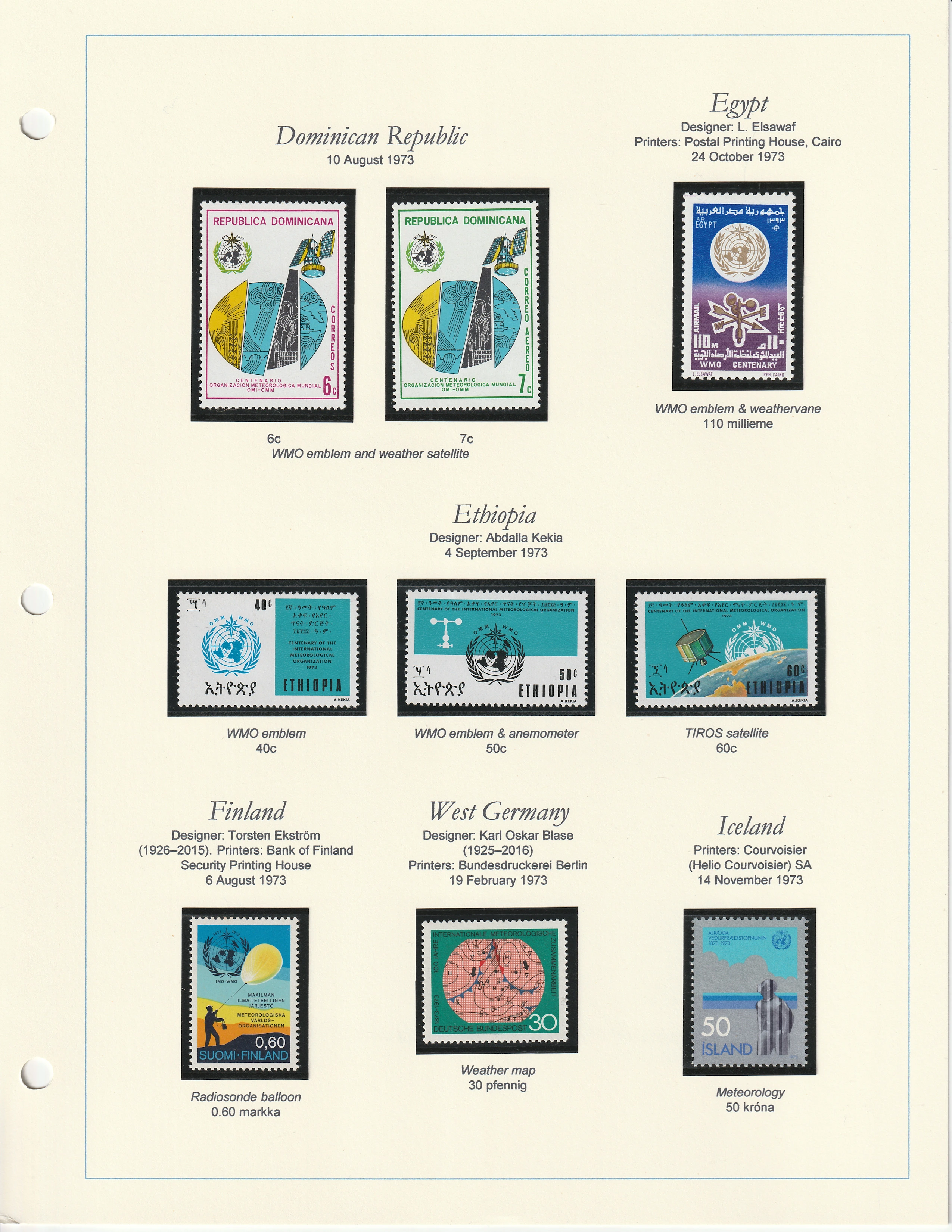
Dominican Republic
 (opens in a new tab)
Egypt
 (opens in a new tab)
Ethiopia
 (opens in a new tab)
Finland
 (opens in a new tab)
West Germany > Germany
 (opens in a new tab)
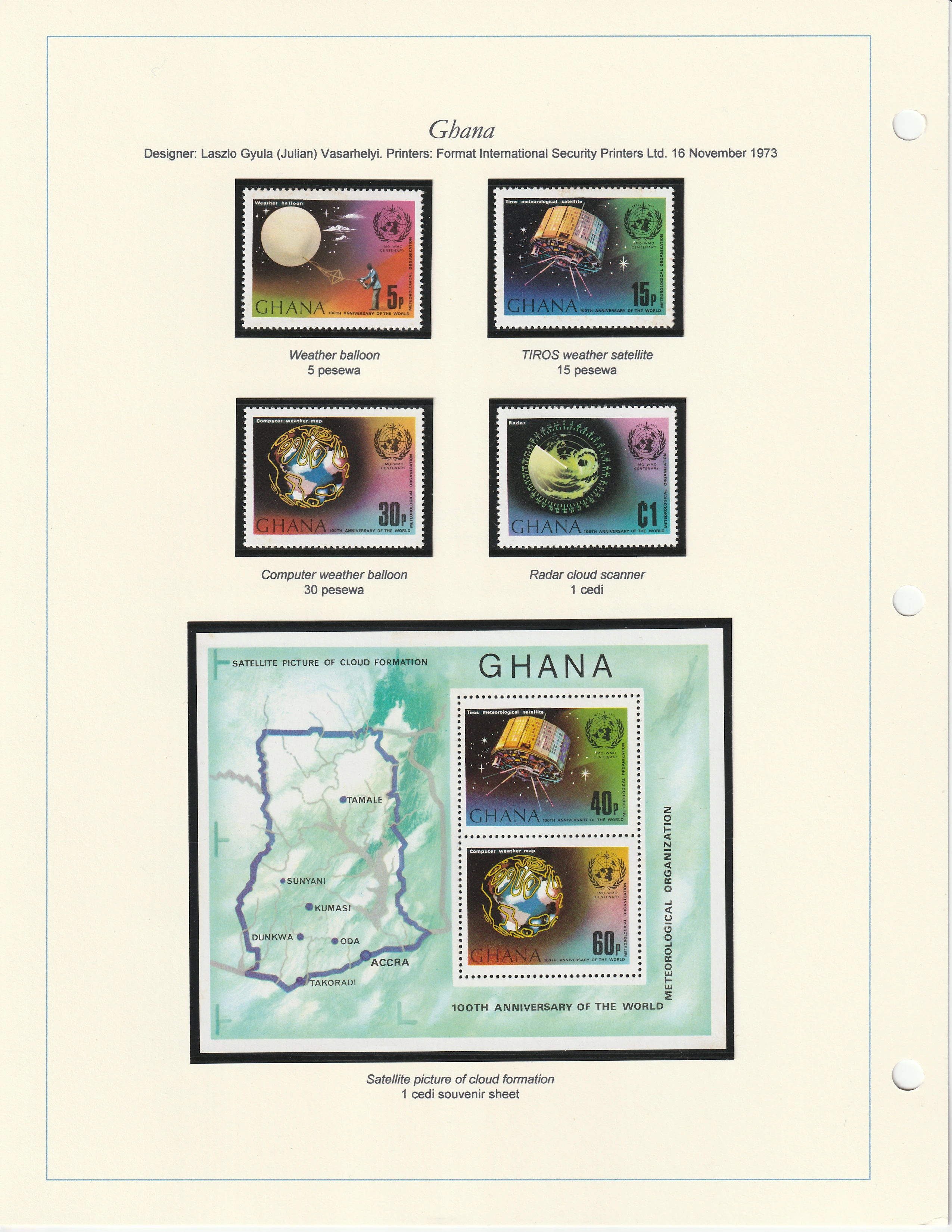
Ghana
 (opens in a new tab)
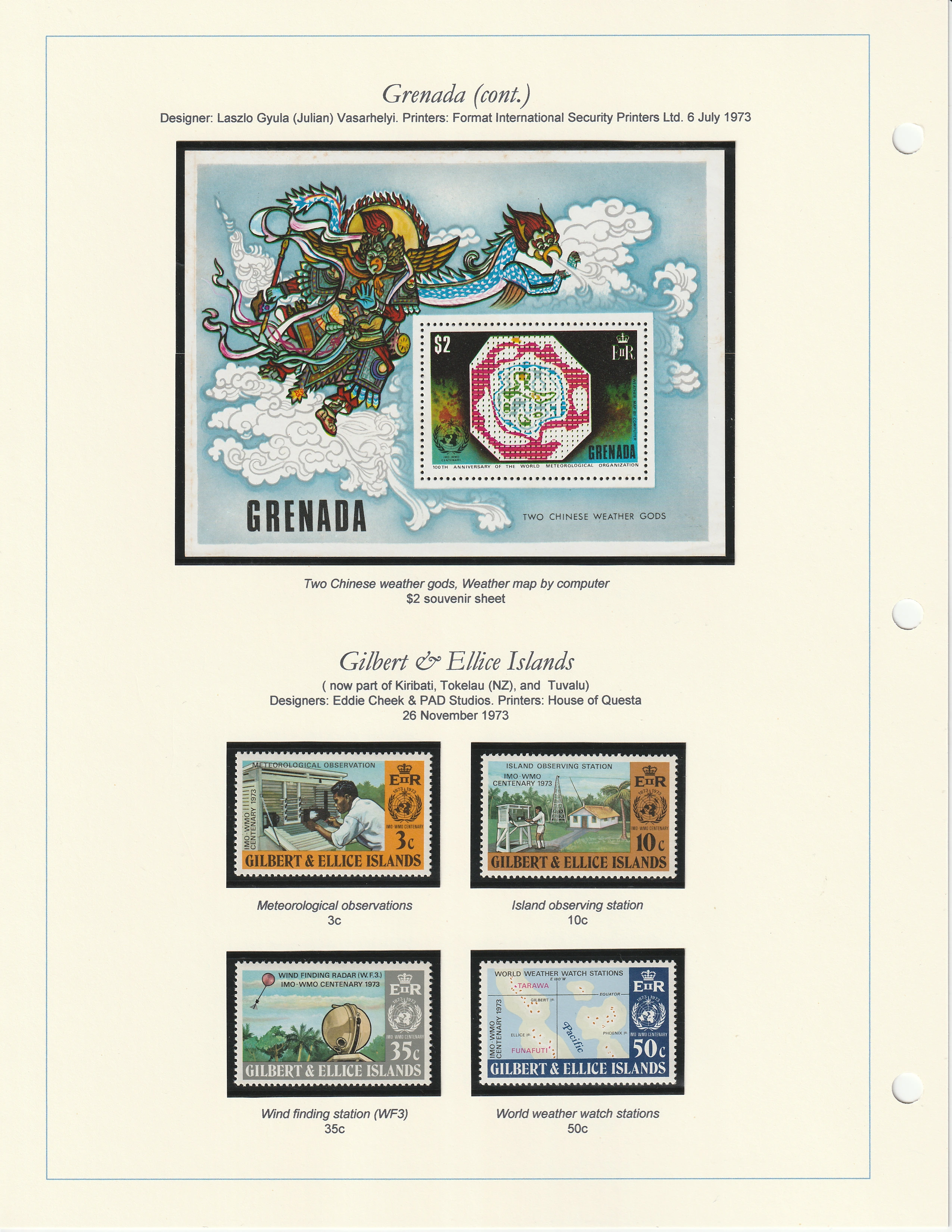
Gilbert & Ellice Islands > Kiribati, Tokelau, Tuvalu
 (opens in a new tab)
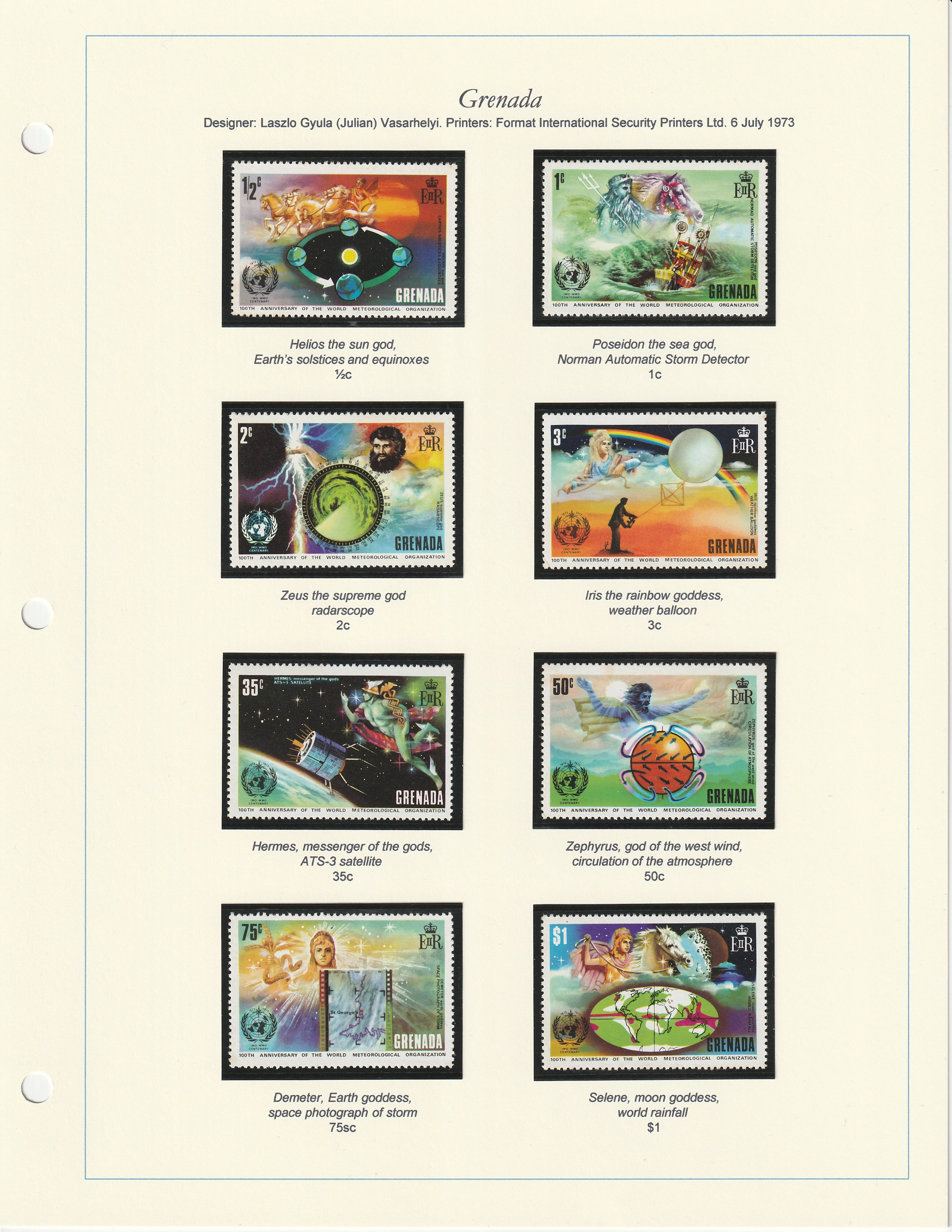
Grenada
 (opens in a new tab)
Iceland
 (opens in a new tab)
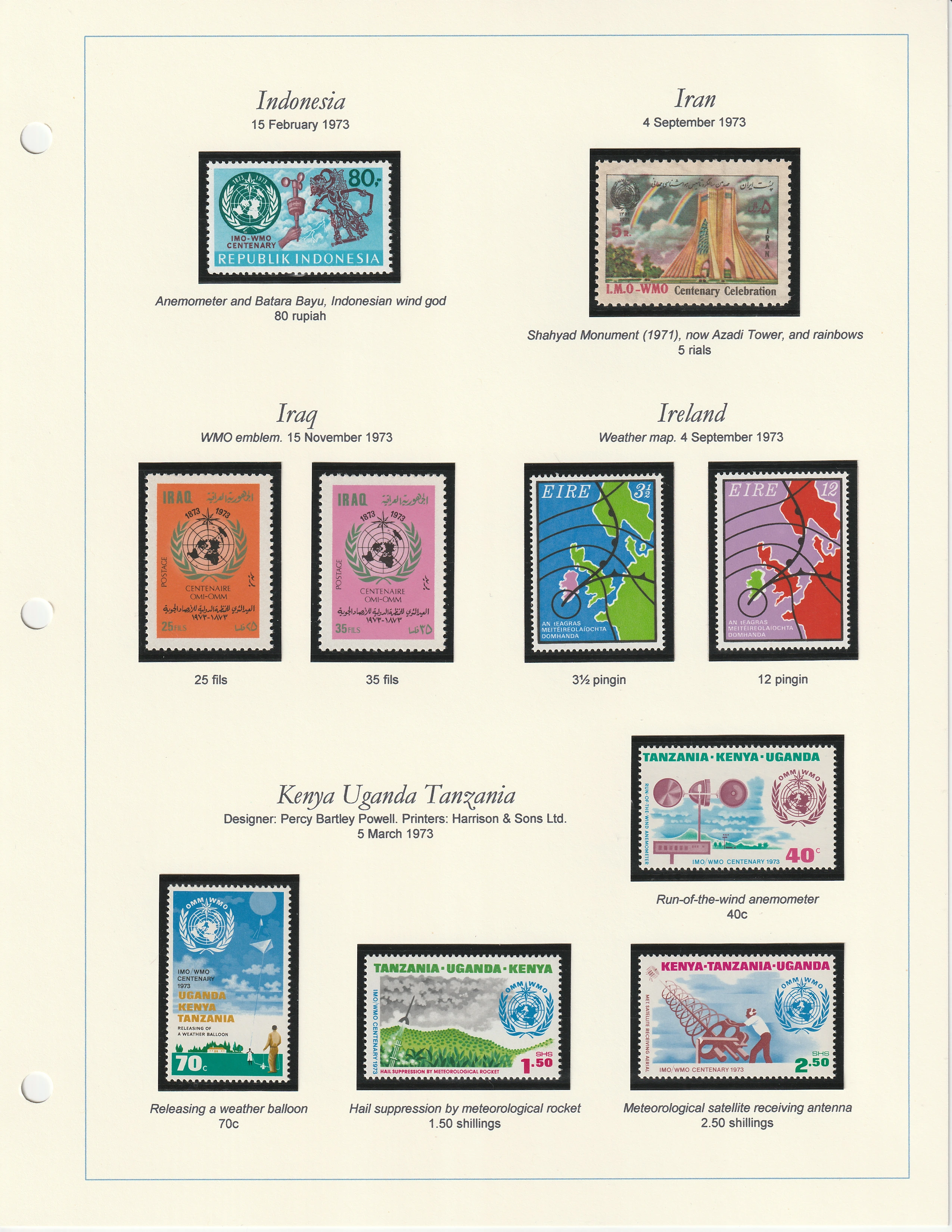
Indonesia
 (opens in a new tab)
Ireland
 (opens in a new tab)
Kenya Uganda Tanzania
 (opens in a new tab)
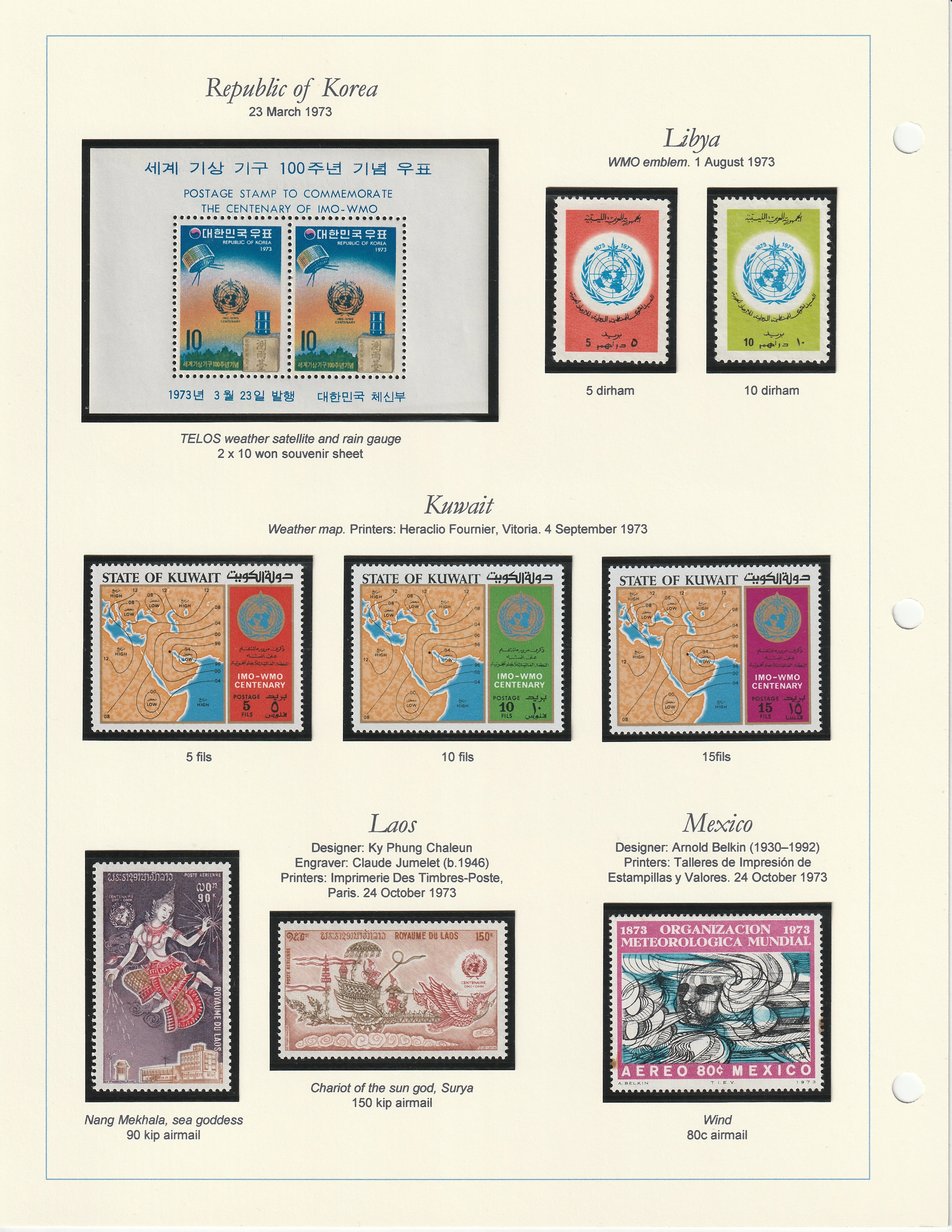
Republic of Korea
 (opens in a new tab)
Kuwait

 (opens in a new tab)
Libya
(opens in a new tab)Macau
 (opens in a new tab)
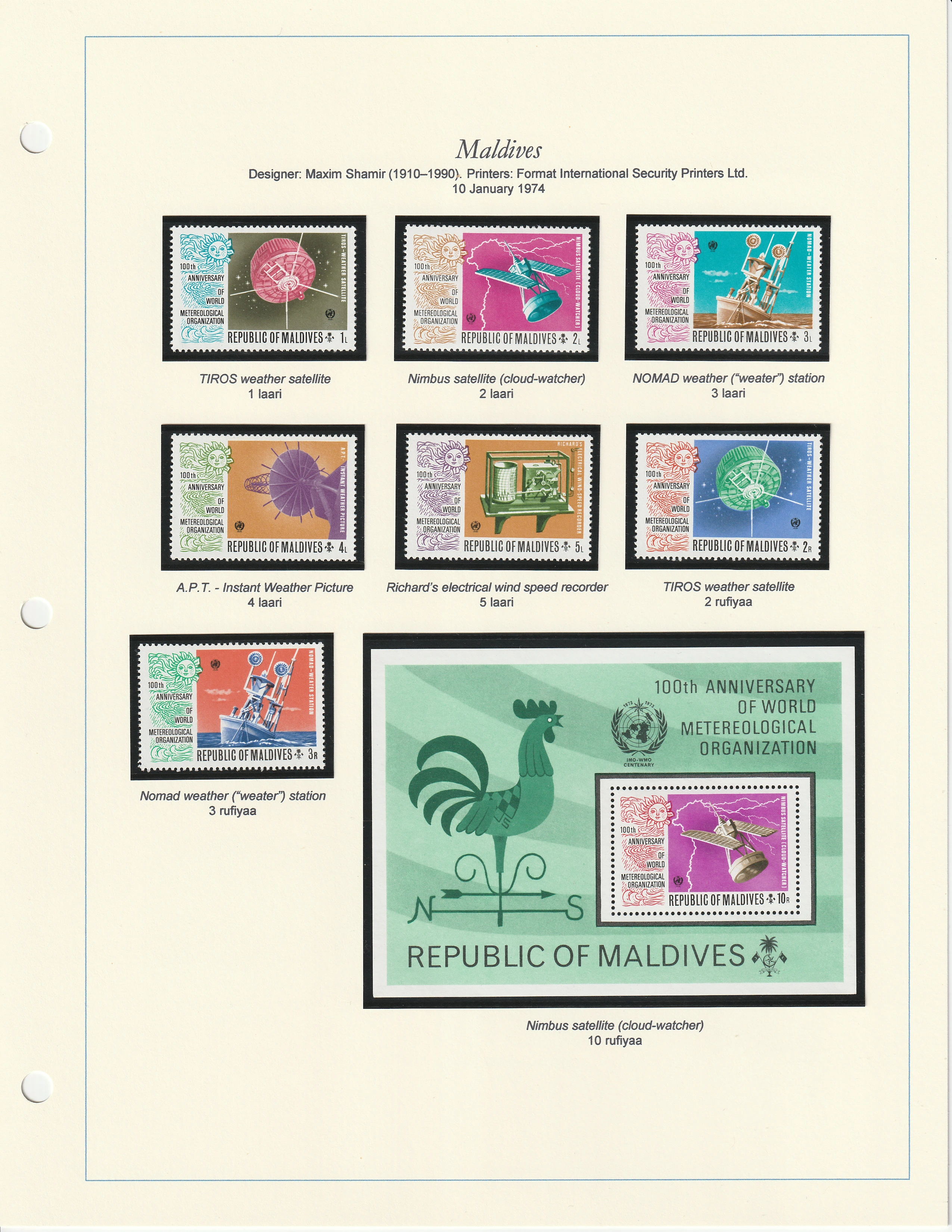
Maldives
 (opens in a new tab)
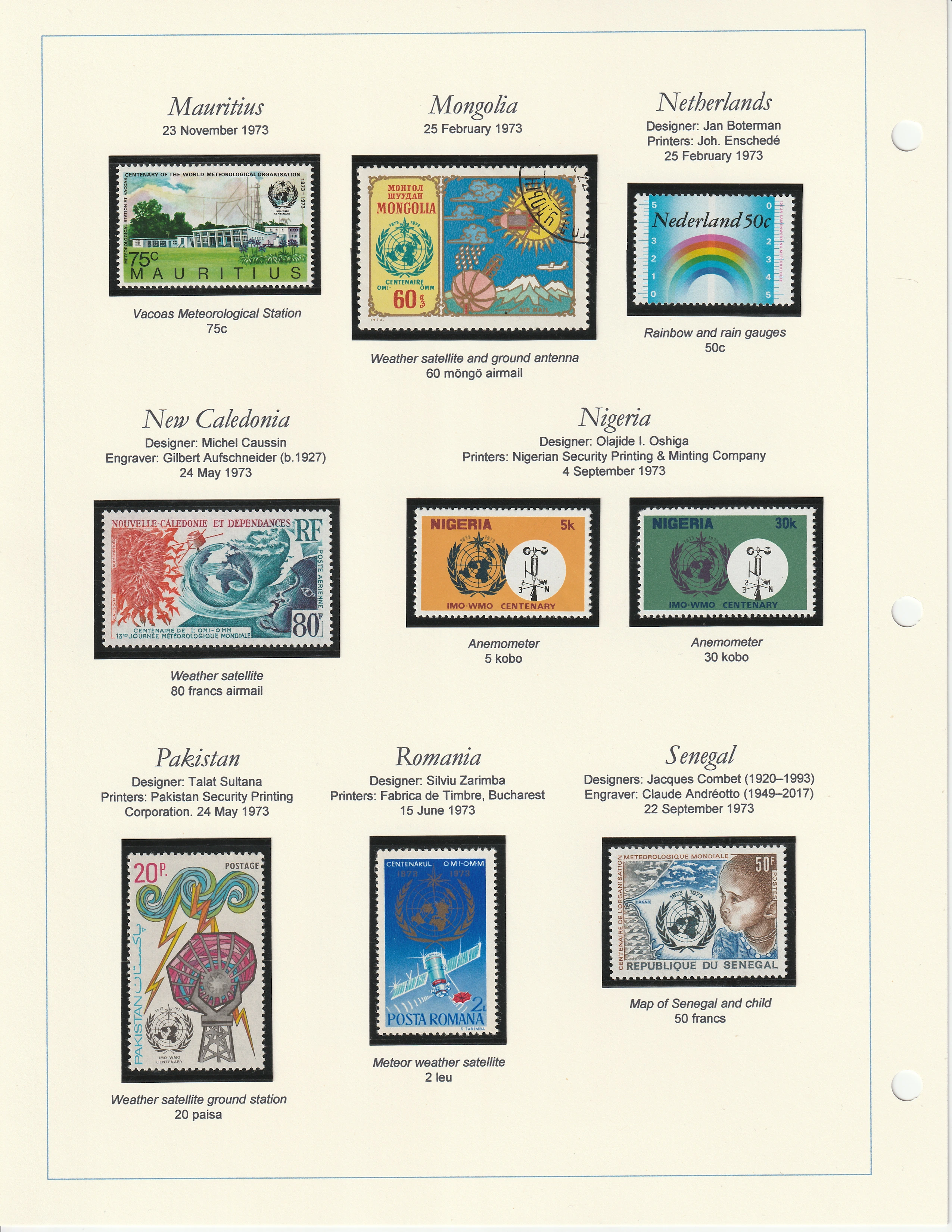
Mauritius
 (opens in a new tab)
Mexico
 (opens in a new tab)
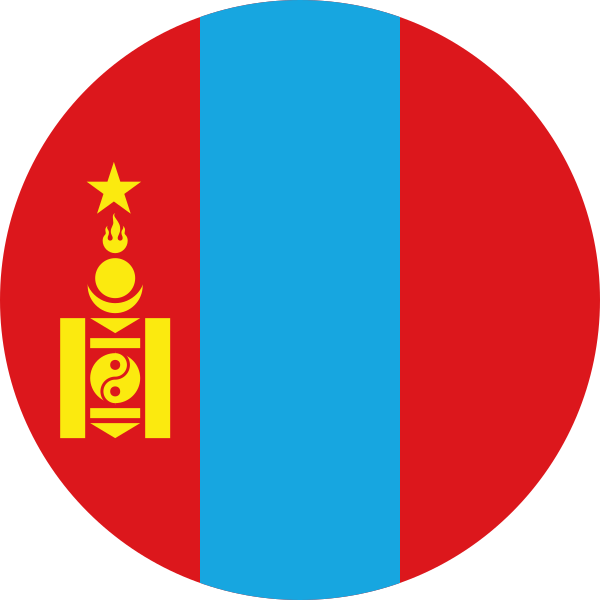
Mongolia
(opens in a new tab)Mozambique
 (opens in a new tab)
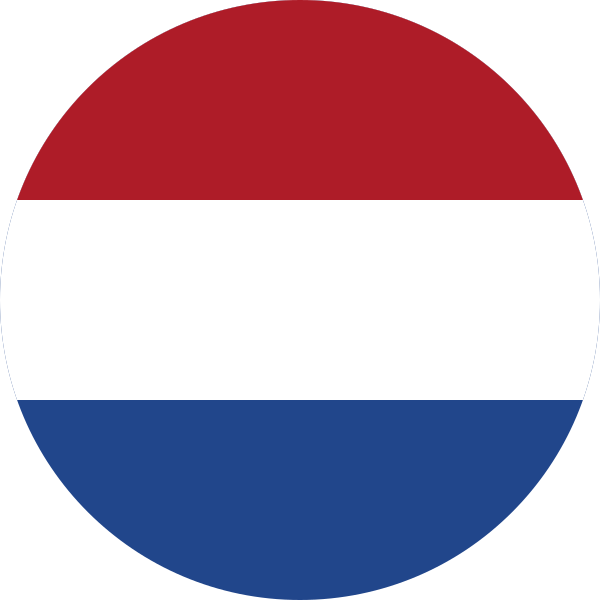
Netherlands
 (opens in a new tab)
New Caledonia
 (opens in a new tab)
Nigeria
 (opens in a new tab)
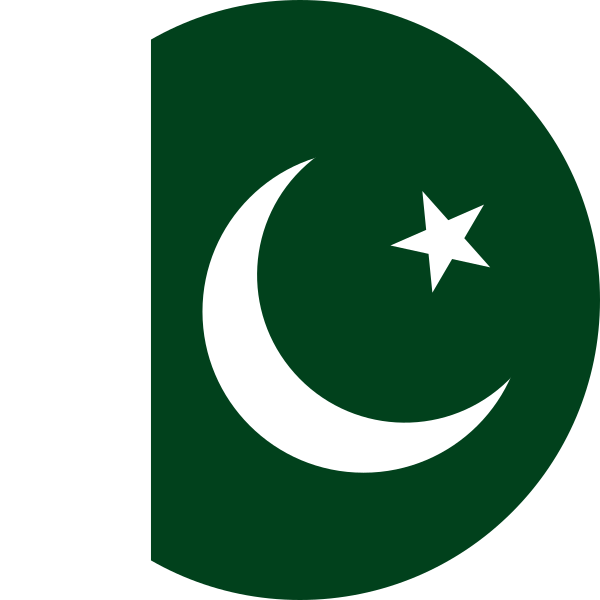
Pakistan
(opens in a new tab)Portuguese Guinea > Guinea-Bissau
 (opens in a new tab)
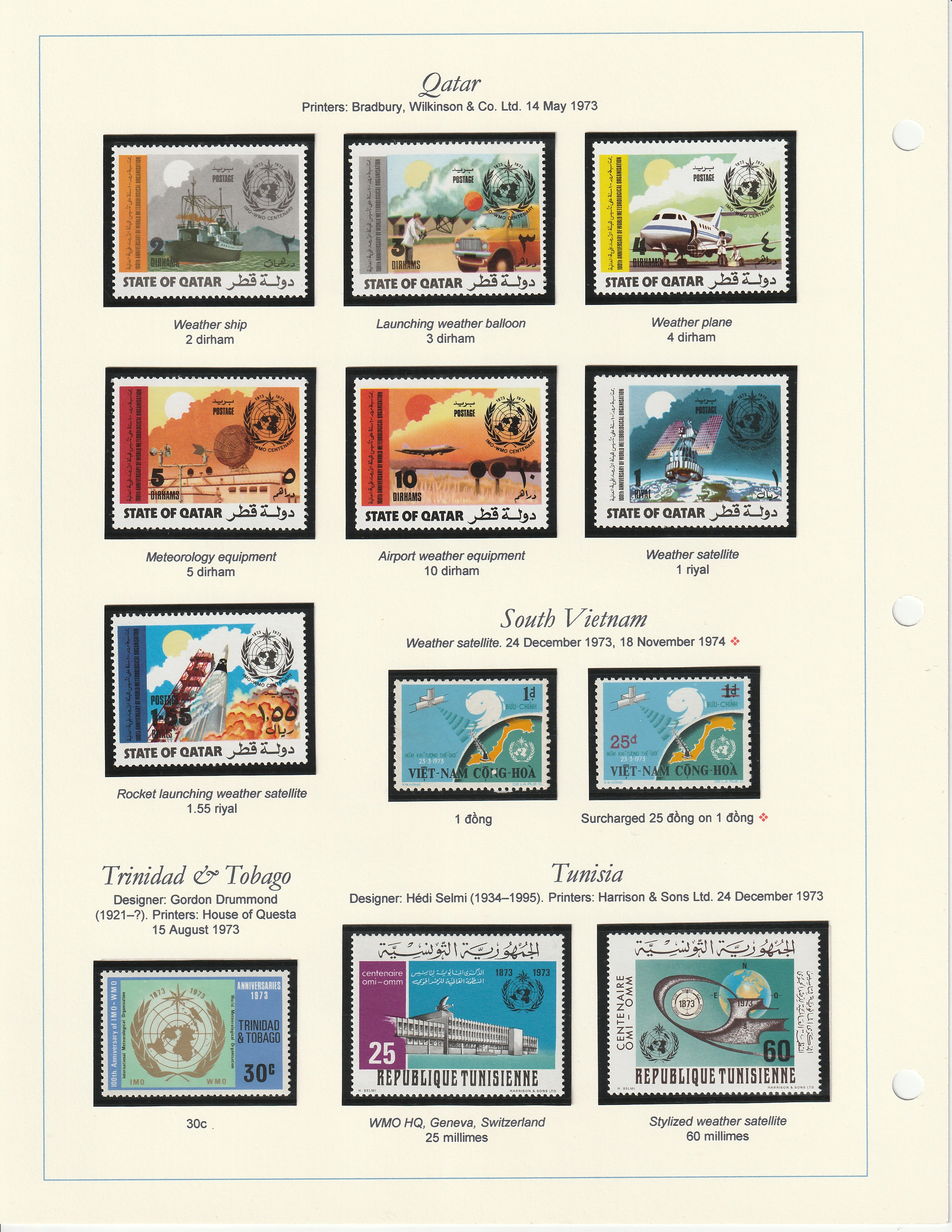
Qatar
 (opens in a new tab)
Romania
(opens in a new tab)São Tomé & Príncipe
 (opens in a new tab)
Senegal
 (opens in a new tab)
Sweden
 (opens in a new tab)
Switzerland
(opens in a new tab)Timor
 (opens in a new tab)
Trinidad & Tobago
 (opens in a new tab)
Tunisia
 (opens in a new tab)
South Vietnam > Vietnam