
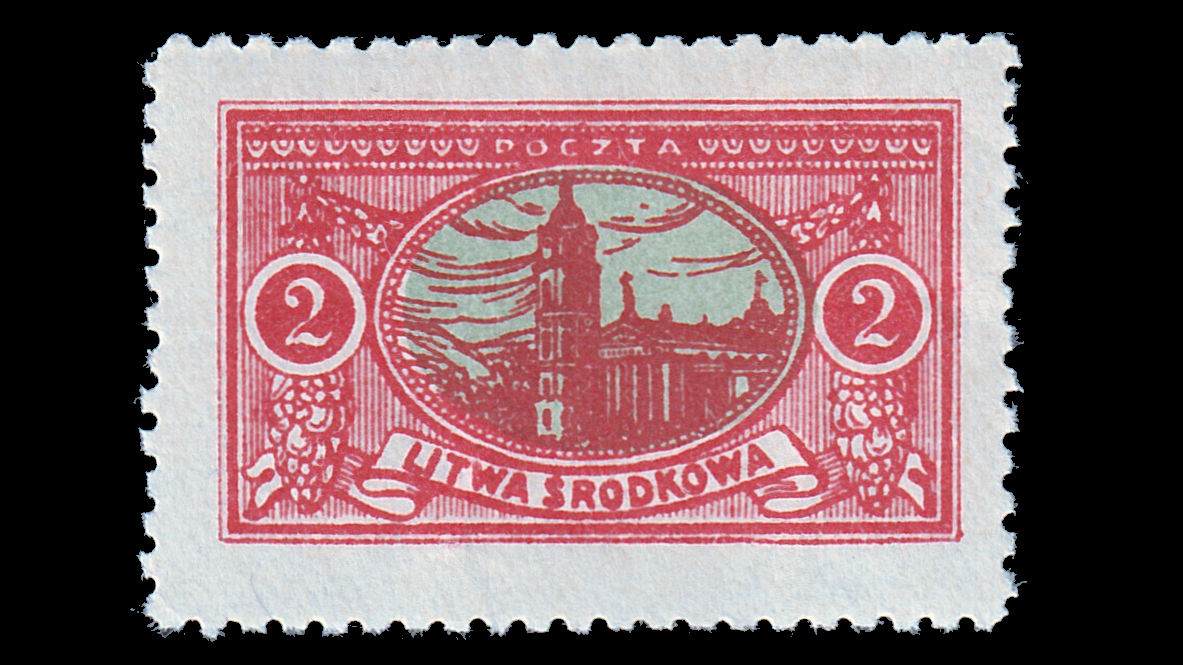
The Republic of Central Lithuania (1920–1922) was a short-lived state created amid the post–World War I conflict over territory between Poland and Lithuania. In October 1920, Polish General Lucjan Żeligowski (1865–1947), acting with the tacit approval of Poland’s leader Józef Piłsudski (1867–1935), staged a mutiny and seized Vilnius (Wilno), a city claimed by both nations. Żeligowski proclaimed the Republic of Central Lithuania, presenting it as an independent entity rather than a Polish annexation, thereby avoiding direct violation of international agreements.
The new state encompassed Vilnius and surrounding areas and operated under Polish military and political influence. Although nominally independent, its institutions, army, and economy were closely tied to Poland. Lithuania rejected its legitimacy, viewing it as a Polish puppet state, while the League of Nations attempted unsuccessfully to mediate the dispute.
In January 1922, elections were held under controversial conditions, with many Lithuanians boycotting the vote. The resulting assembly voted to join Poland, and in March 1922 the territory was formally incorporated as the Wilno Voivodeship of the Second Polish Republic. The episode deepened Polish-Lithuanian hostility and left Vilnius under Polish control until 1939, shaping regional tensions throughout the interwar period.
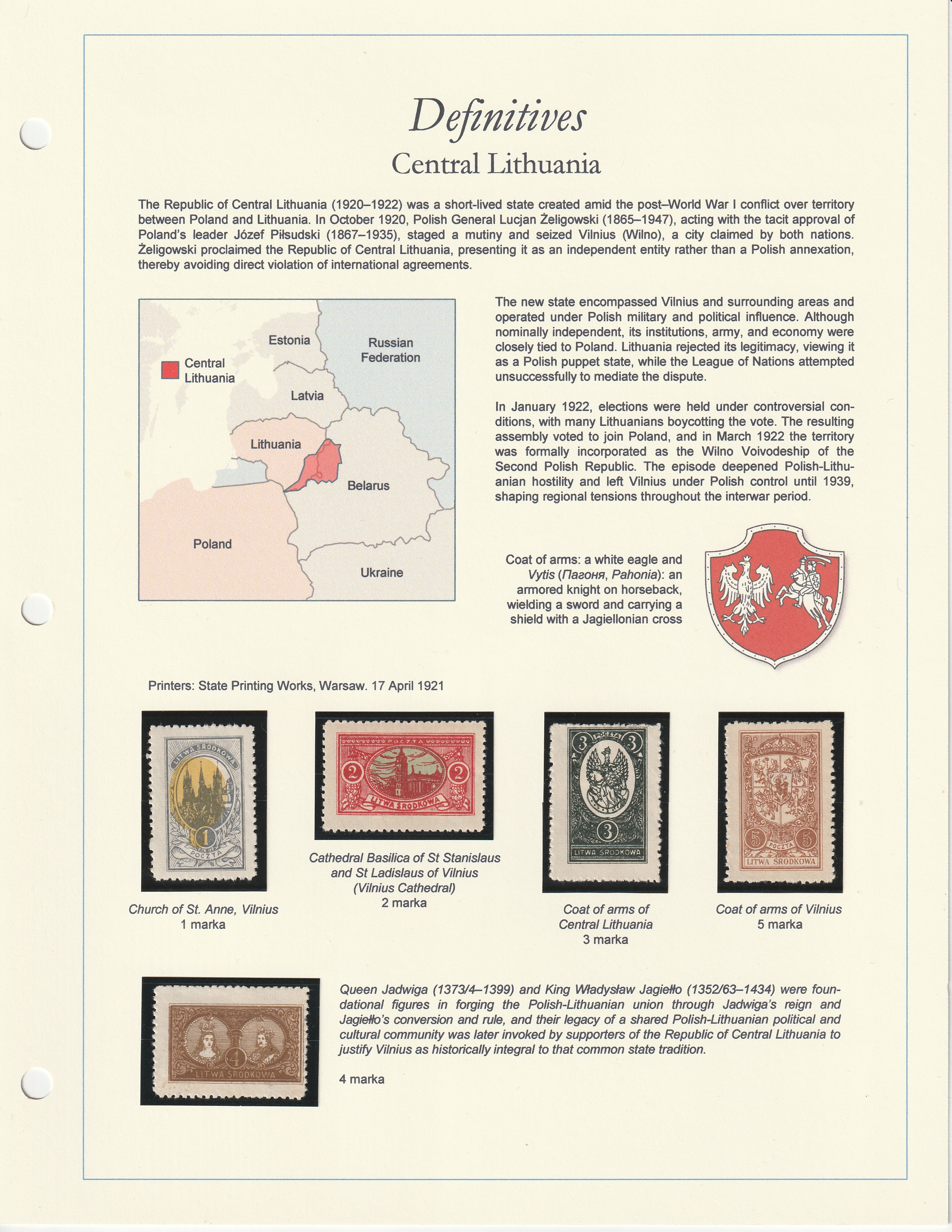
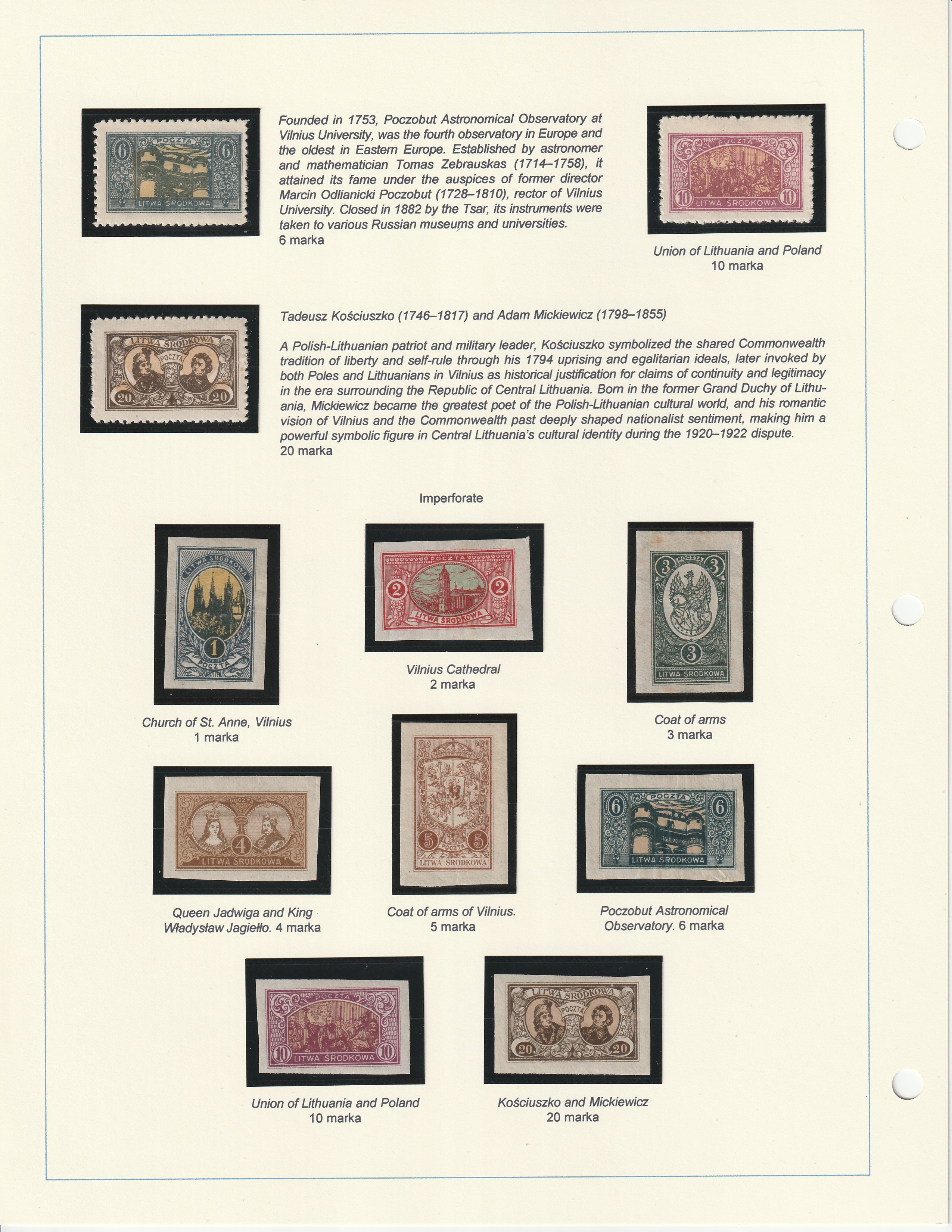

Central Lithuania > Lithuania, Belarus