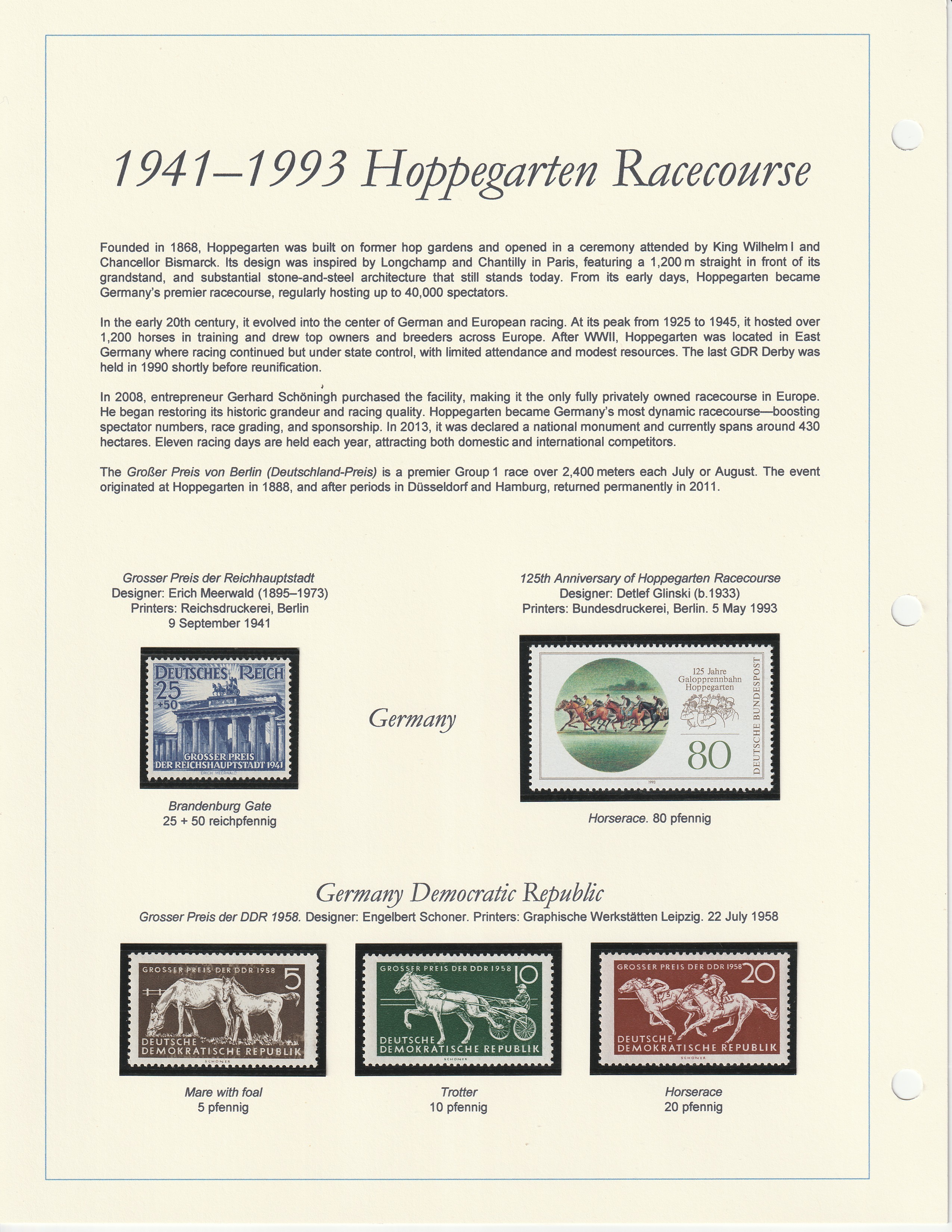
Founded in 1868, Hoppegarten was built on former hop gardens and opened in a ceremony attended by King Wilhelm I and Chancellor Bismarck. Its design was inspired by Longchamp and Chantilly in Paris, featuring a 1,200 m straight in front of its grandstand, and substantial stone-and-steel architecture that still stands today. From its early days, Hoppegarten became Germany’s premier racecourse, regularly hosting up to 40,000 spectators.
In the early 20th century, it evolved into the center of German and European racing. At its peak from 1925 to 1945, it hosted over 1,200 horses in training and drew top owners and breeders across Europe. After WWII, Hoppegarten was located in East Germany where racing continued but under state control, with limited attendance and modest resources. The last GDR Derby was held in 1990 shortly before reunification.
In 2008, entrepreneur Gerhard Schöningh purchased the facility, making it the only fully privately owned racecourse in Europe. He began restoring its historic grandeur and racing quality. Hoppegarten became Germany’s most dynamic racecourse—boosting spectator numbers, race grading, and sponsorship. In 2013, it was declared a national monument and currently spans around 430 hectares. Eleven racing days are held each year, attracting both domestic and international competitors.
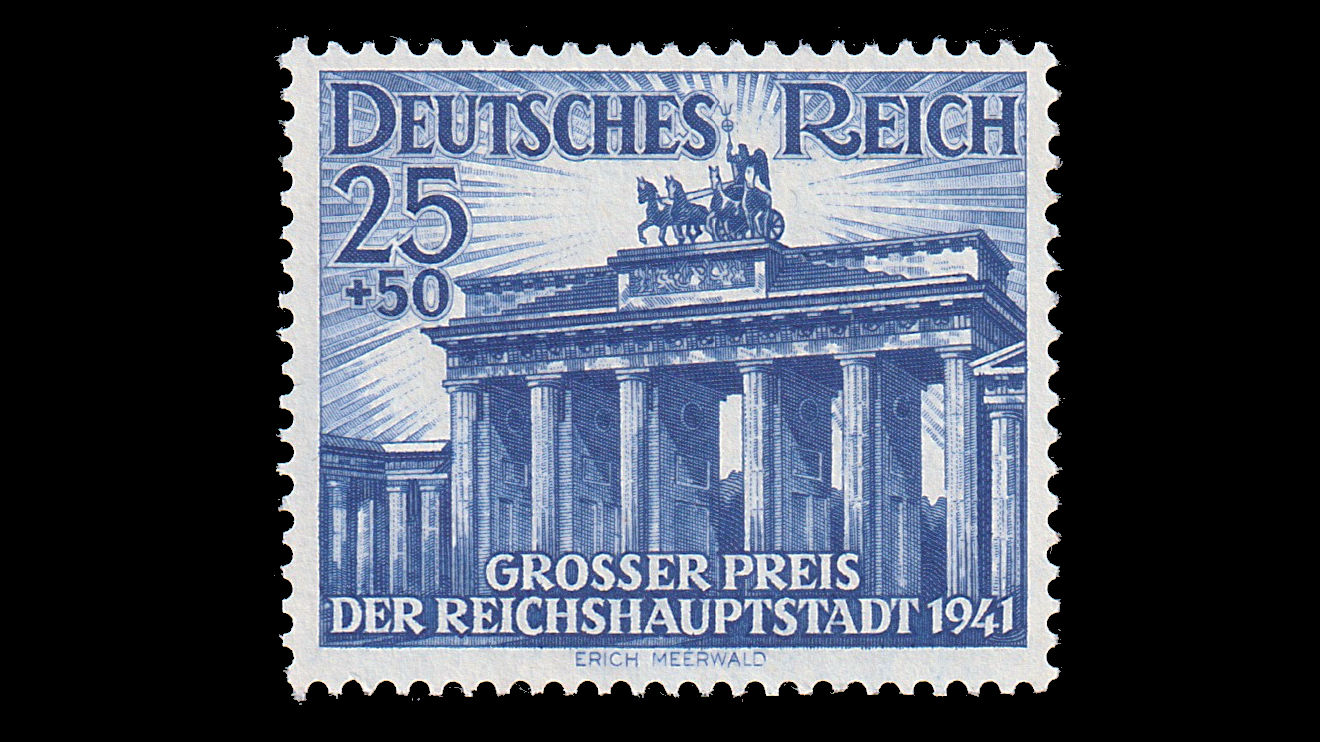
The Großer Preis von Berlin (Deutschland‑Preis) is a premier Group 1 race over 2,400 meters each July or August. The event originated at Hoppegarten in 1888, and after periods in Düsseldorf and Hamburg, returned permanently in 2011.
Germany

DDR > Germany
Germany