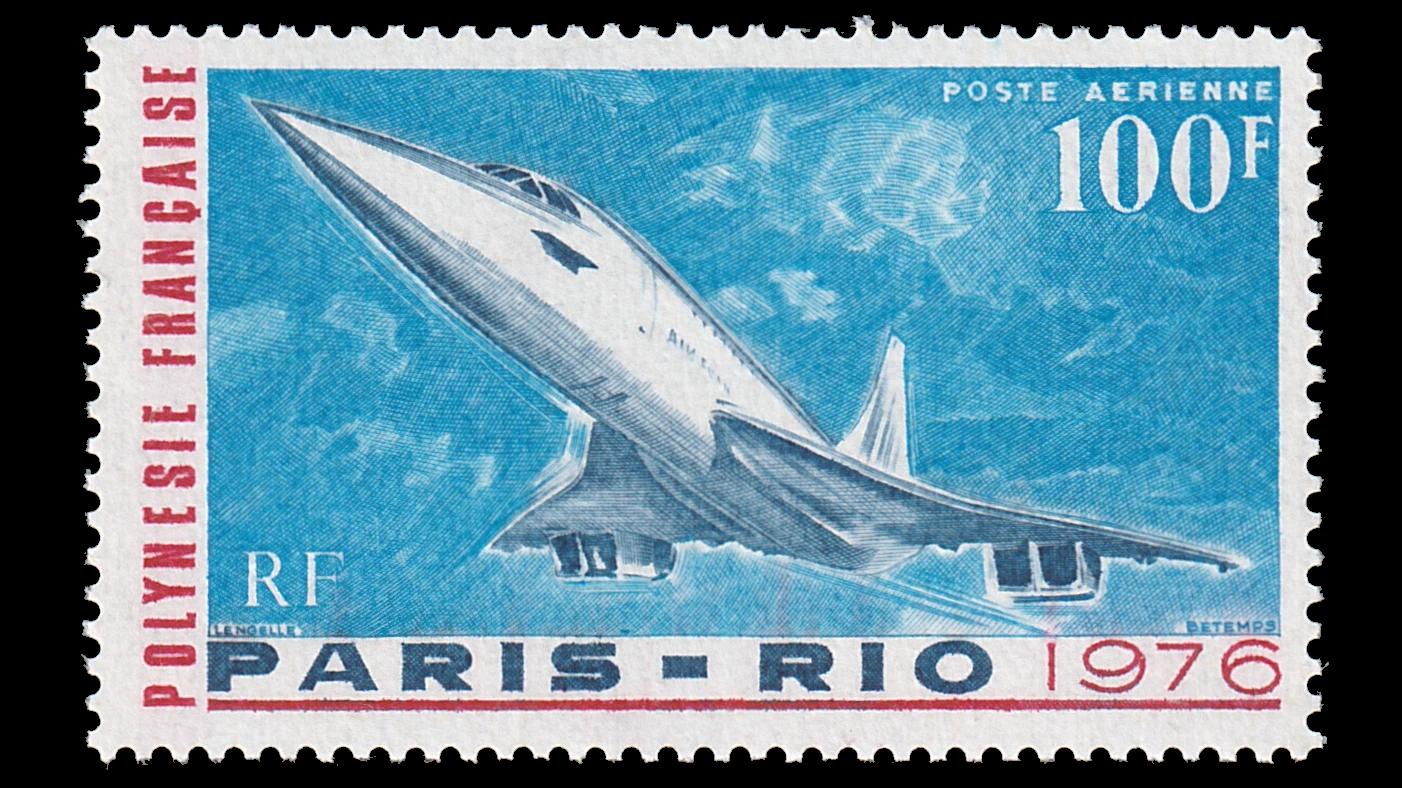
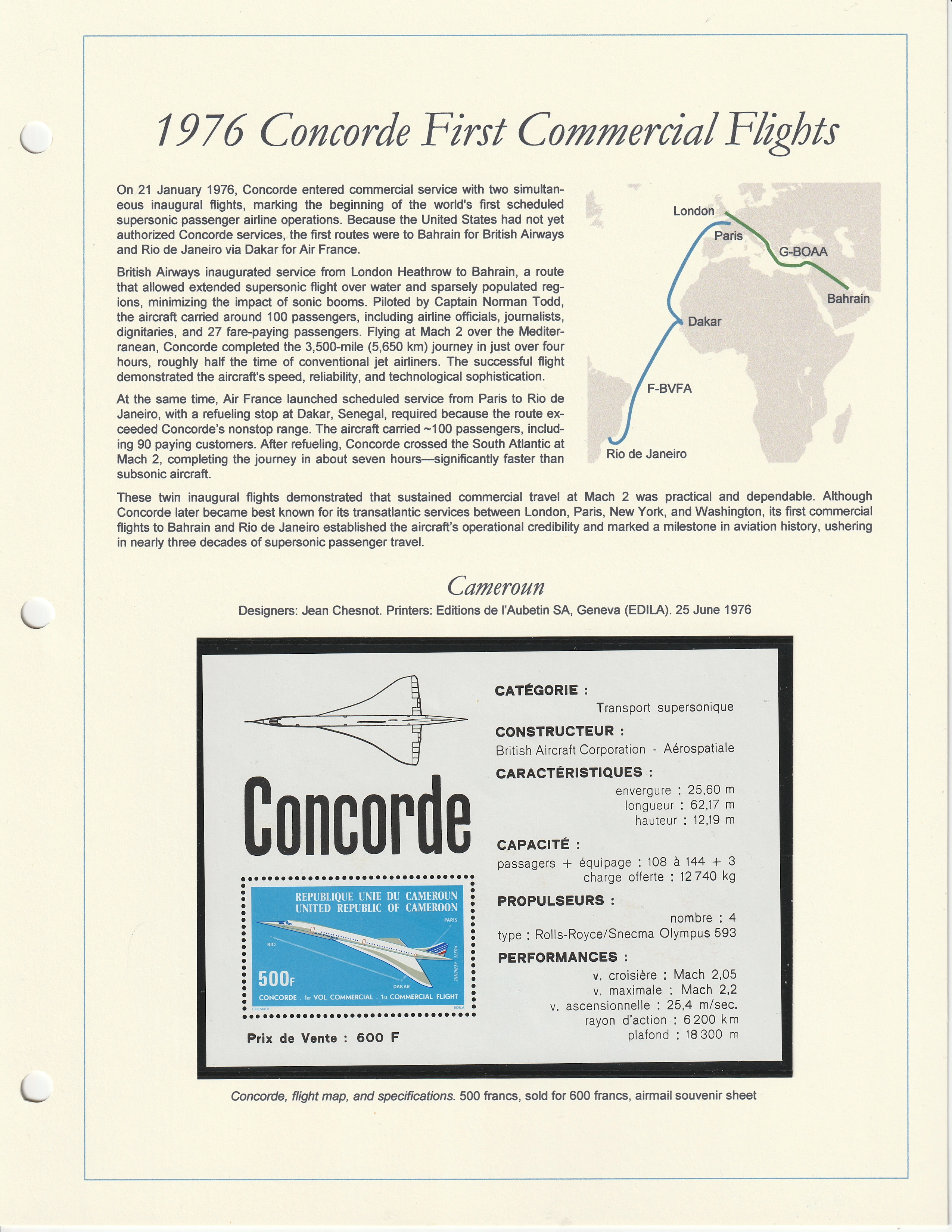
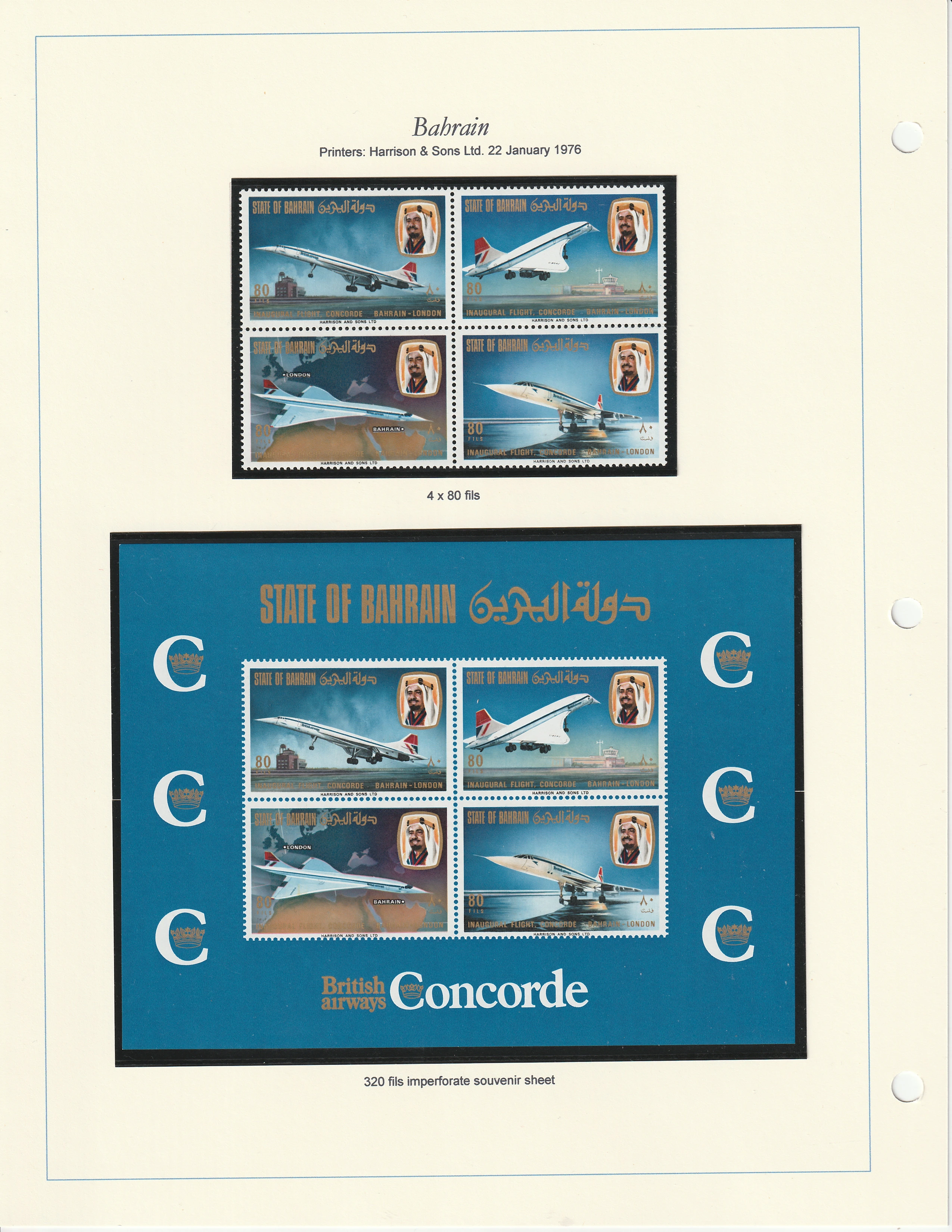
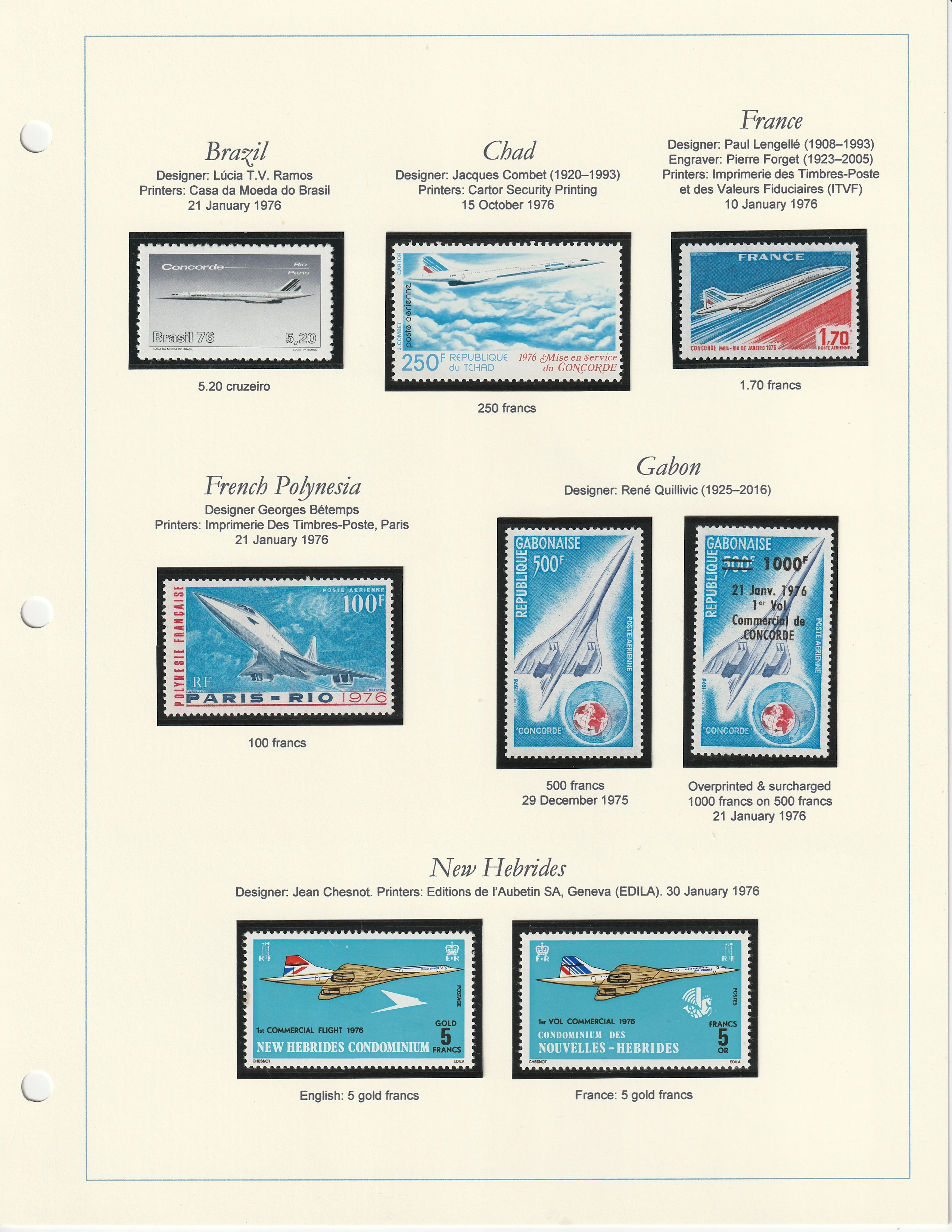
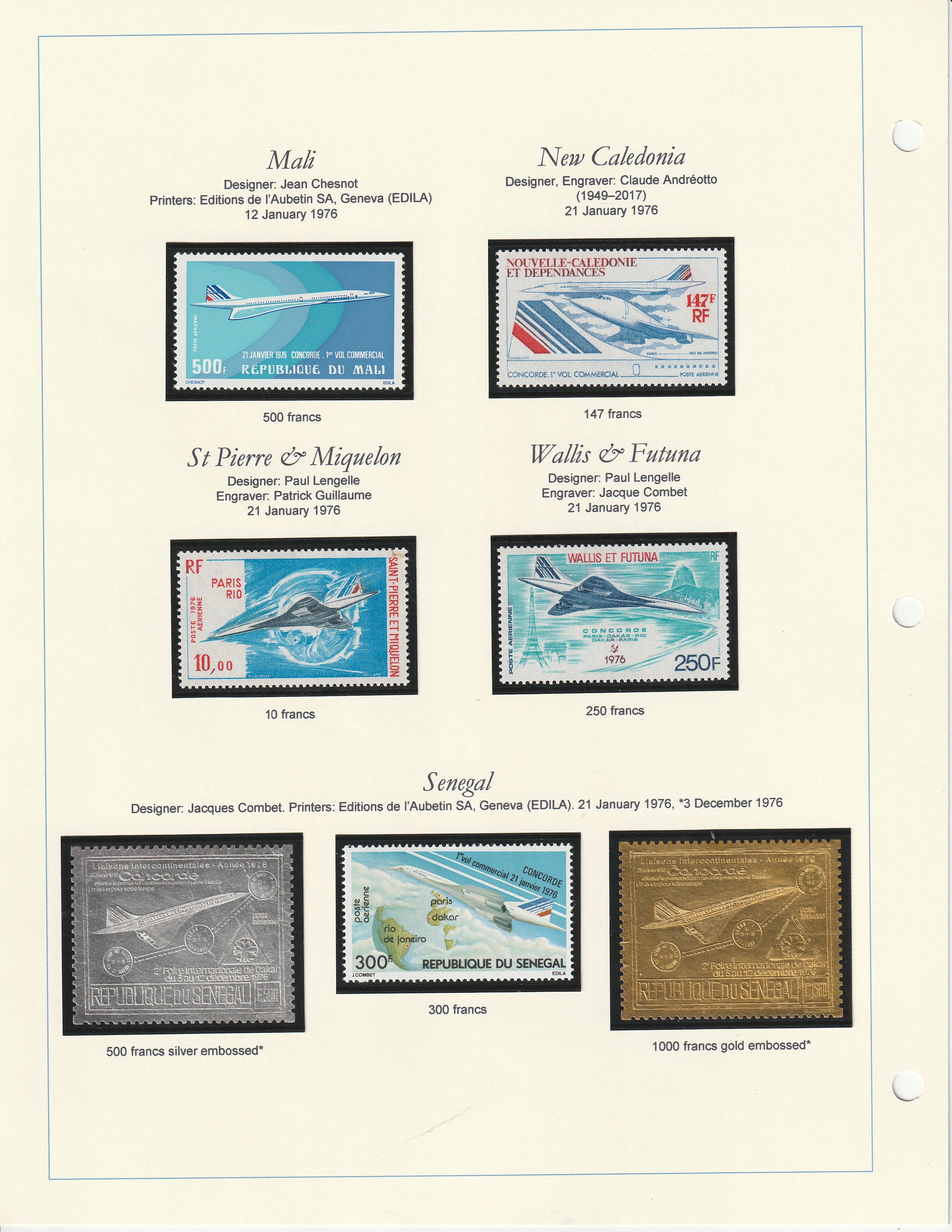
On 21 January 1976, Concorde entered commercial service with two simultaneous inaugural flights, marking the beginning of the world’s first scheduled supersonic passenger airline operations. Because the United States had not yet authorized Concorde services, the first routes were to Bahrain for British Airways and Rio de Janeiro via Dakar for Air France.
British Airways inaugurated service from London Heathrow to Bahrain, a route that allowed extended supersonic flight over water and sparsely populated regions, minimizing the impact of sonic booms. Piloted by Captain Norman Todd, the aircraft carried around 100 passengers, including airline officials, journalists, dignitaries, and 27 fare-paying passengers. Flying at Mach 2 over the Mediterranean, Concorde completed the 3,500-mile (5,650 km) journey in just over four hours, roughly half the time of conventional jet airliners. The successful flight demonstrated the aircraft’s speed, reliability, and technological sophistication.
At the same time, Air France launched scheduled service from Paris to Rio de Janeiro, with a refueling stop at Dakar, Senegal, required because the route exceeded Concorde’s nonstop range. The aircraft carried ~100 passengers, including 90 paying customers. After refueling, Concorde crossed the South Atlantic at Mach 2, completing the journey in about seven hours—significantly faster than subsonic aircraft.
These twin inaugural flights demonstrated that sustained commercial travel at Mach 2 was practical and dependable. Although Concorde later became best known for its transatlantic services between London, Paris, New York, and Washington, its first commercial flights to Bahrain and Rio de Janeiro established the aircraft’s operational credibility and marked a milestone in aviation history, ushering in nearly three decades of supersonic passenger travel.
 (opens in a new tab)
Bahrain
 (opens in a new tab)
Brazil
 (opens in a new tab)
Cameroun

 (opens in a new tab)
France
(opens in a new tab)French Polynesia
 (opens in a new tab)
Gabon
 (opens in a new tab)
New Caledonia
 (opens in a new tab)
New Hebrides (United Kingdom) > Vanuatu
(opens in a new tab)New Hebrides (France) > Vanuatu
(opens in a new tab)St Pierre & Miquelon
 (opens in a new tab)
Senegal
(opens in a new tab)Wallis & Futuna